Introduction: Why Organic Facial Cleansers Are Taking Over Skincare
An organic facial cleanser has become one of the most searched skincare products in recent years—and for good reason. As people grow more conscious about what they apply to their skin, the demand for organic face cleansers made with plant-based, chemical-free ingredients continues to rise. Unlike traditional cleansers that often rely on harsh chemicals, organic facial cleansers focus on gentle cleansing while nourishing the skin.
Skin is the body’s largest organ, and it absorbs a portion of what we apply to it. This is why many dermatologists and skincare experts now emphasize using organic skincare products, especially cleansers that are used daily. A high-quality organic facial cleanser removes dirt, excess oil, makeup, and pollutants without stripping the skin’s natural moisture barrier. This makes it ideal for people with sensitive, acne-prone, dry, or aging skin.
Another major reason behind the popularity of organic facial cleansers is their long-term skin benefits. Instead of providing quick, temporary results, organic cleansers work gradually to improve skin health. Ingredients like aloe vera, chamomile, green tea, and rose water help calm inflammation, balance oil production, and support natural skin repair. Over time, users often notice clearer skin, fewer breakouts, improved hydration, and a healthier glow.
Beyond personal skincare benefits, organic facial cleansers also appeal to environmentally conscious consumers. Many organic cleanser brands focus on eco-friendly packaging, cruelty-free testing, and sustainable ingredient sourcing. This means choosing an organic facial cleanser is not just good for your skin—it’s also a responsible choice for the planet.
In this in-depth guide, you’ll learn what an organic facial cleanser is, how it works, its benefits for different skin types, key ingredients to look for, common myths, and how to choose the best organic facial cleanser for your skincare routine. Whether you’re new to organic skincare or looking to upgrade your current cleanser, this guide will help you make an informed, skin-safe decision.
What Is an Organic Facial Cleanser?
An organic facial cleanser is a face-washing product made primarily from naturally derived, organically grown ingredients that are free from harsh synthetic chemicals. These cleansers are designed to gently remove dirt, oil, makeup, and environmental pollutants while supporting the skin’s natural balance. Because cleansing is the first and most important step in any skincare routine, using an organic facial cleanser helps ensure your skin is not exposed to unnecessary toxins on a daily basis.
Unlike conventional face cleansers that often contain sulfates, parabens, artificial fragrances, and alcohol, organic facial cleansers rely on plant-based surfactants and botanical extracts. These ingredients cleanse the skin without disrupting the skin barrier, making organic face cleansers especially suitable for sensitive, acne-prone, dry, and mature skin types.
Definition of an Organic Facial Cleanser
A true organic facial cleanser is formulated using ingredients that are grown without synthetic pesticides, chemical fertilizers, or genetically modified organisms (GMOs). Many organic cleansers also carry certifications from recognized organizations, which verify ingredient sourcing and production standards.
It’s important to understand the difference between commonly confused skincare labels:
| Term | What It Really Means |
|---|---|
| Organic Facial Cleanser | Contains certified organic ingredients grown without chemicals |
| Natural Cleanser | May include natural ingredients but not necessarily organic |
| Clean Beauty | Free from certain harmful chemicals, but not always organic |
A certified organic facial cleanser usually includes labels such as USDA Organic, COSMOS Organic, or ECOCERT, which indicate higher transparency and ingredient quality. While not all organic facial cleansers are 100% organic, the best ones contain a high percentage of organic plant-based ingredients.
How Organic Facial Cleansers Work
Organic facial cleansers work by using gentle, naturally derived cleansing agents instead of harsh detergents. These agents bind to dirt and oil on the skin’s surface, allowing them to be rinsed away with water—without stripping essential moisture.
Here’s how an organic facial cleanser benefits the skin during cleansing:
- Cleanses without irritation by maintaining the skin’s natural pH
- Protects the skin barrier, reducing dryness and sensitivity
- Delivers nutrients like antioxidants, vitamins, and minerals
- Supports skin repair through soothing botanical ingredients
For example, ingredients like aloe vera and chamomile calm inflammation, while green tea and rose water provide antioxidant protection. Tea tree oil and willow bark extract offer natural antibacterial properties, making organic facial cleansers effective for acne-prone skin as well.
Why Organic Facial Cleansers Are Gentler on Skin
One of the biggest advantages of an organic facial cleanser is its ability to cleanse without causing micro-damage to the skin barrier. Traditional cleansers often create foam using sulfates, which can leave skin feeling tight, dry, and irritated. Organic facial cleansers, on the other hand, use mild foaming agents derived from coconut or sugar, which cleanse effectively while preserving hydration.
Over time, consistent use of an organic facial cleanser can help:
- Reduce redness and irritation
- Balance oil production
- Improve skin texture
- Enhance natural glow
This gentle approach makes organic facial cleansers ideal for daily use, even for those who wash their face twice a day.Benefits of Using an Organic Facial Cleanser
Using an organic facial cleanser is more than just a trend—it’s a skincare choice that supports healthier skin, long-term results, and overall skin balance. Because organic face cleansers are formulated with plant-based, skin-friendly ingredients, they offer multiple benefits that go beyond basic cleansing. Below, we’ll break down the key advantages in a clear, easy-to-understand way.
Skin Health Benefits of an Organic Facial Cleanser
One of the biggest benefits of using an organic facial cleanser is how gently it treats the skin. Unlike chemical-based cleansers that can disrupt the skin barrier, organic cleansers work in harmony with your skin’s natural functions.
Key skin health benefits include:
- Reduced irritation and redness due to the absence of harsh chemicals
- Improved hydration because natural oils are not stripped away
- Balanced skin pH, which helps prevent breakouts and dryness
- Calmer skin thanks to soothing botanical ingredients
Studies show that damage to the skin barrier can lead to acne, eczema, and premature aging. By preserving this barrier, an organic facial cleanser helps keep skin resilient and healthy over time.
“Gentle cleansers that preserve the skin barrier are essential for long-term skin health.” — Dermatology research consensus
Long-Term Skincare Benefits
The effects of an organic facial cleanser become more noticeable with consistent use. Rather than offering quick fixes, organic cleansers support gradual skin improvement.
Long-term benefits include:
- Fewer breakouts over time
- Reduced dryness and flakiness
- Improved skin texture and smoothness
- More even skin tone
Because organic facial cleansers contain antioxidant-rich ingredients like green tea, chamomile, and vitamin-rich plant extracts, they help protect skin from free radical damage caused by pollution and UV exposure. This makes them a valuable part of an anti-aging skincare routine.
Benefits for Sensitive and Acne-Prone Skin
People with sensitive or acne-prone skin often struggle with cleansers that cause burning, stinging, or tightness. An organic facial cleanser minimizes these reactions by avoiding synthetic fragrances, sulfates, and alcohol.
For acne-prone skin, organic cleansers often include:
- Tea tree oil for antibacterial support
- Willow bark extract as a natural source of salicylic acid
- Aloe vera to soothe inflammation
These ingredients help reduce breakouts without over-drying the skin, which is a common trigger for excess oil production.
Environmental and Ethical Benefits
Choosing an organic facial cleanser isn’t just beneficial for your skin—it’s also better for the environment.
Environmental advantages include:
- Biodegradable, eco-friendly ingredients
- Sustainable farming practices
- Reduced water pollution from harsh chemicals
Many organic facial cleanser brands are also:
- Cruelty-free
- Vegan-friendly
- Packaged in recyclable or minimal packaging
This makes organic facial cleansers an excellent choice for consumers who value ethical and sustainable skincare.
Organic Facial Cleanser vs Traditional Cleanser (Quick Comparison)
| Feature | Organic Facial Cleanser | Traditional Cleanser |
|---|---|---|
| Ingredients | Plant-based, organic | Synthetic chemicals |
| Skin Barrier Protection | High | Often low |
| Suitable for Sensitive Skin | Yes | Often causes irritation |
| Environmental Impact | Low | Higher |
| Long-Term Skin Health | Supports | May damage over time |
By switching to an organic facial cleanser, you’re not just cleaning your skin—you’re investing in healthier skin and a safer skincare routine.Organic Facial Cleanser vs Regular Facial Cleanser
When choosing a face wash, many people wonder whether an organic facial cleanser is truly better than a regular facial cleanser. While both products aim to clean the skin, the ingredients, effects on skin health, and long-term results can be very different. Understanding these differences helps you make a smarter skincare decision based on your skin type and goals.
Ingredient Comparison: Organic vs Regular Facial Cleansers
The most noticeable difference between an organic facial cleanser and a conventional cleanser lies in the ingredient list. Traditional facial cleansers often rely on synthetic chemicals to create foam, fragrance, and longer shelf life. Organic facial cleansers focus on naturally derived, plant-based ingredients.
Common ingredients in regular facial cleansers:
- Sulfates (SLS/SLES) for foaming
- Parabens for preservation
- Artificial fragrances
- Alcohol-based solvents
Common ingredients in organic facial cleansers:
- Coconut- or sugar-derived cleansing agents
- Aloe vera, chamomile, and calendula
- Essential oils in low, skin-safe concentrations
- Antioxidant-rich plant extracts
These organic ingredients cleanse the skin without disrupting its natural protective barrier, which is essential for healthy skin.
Effect on Different Skin Types
An organic facial cleanser works well across most skin types because it cleanses gently and maintains balance.
- Dry skin: Organic cleansers help retain moisture and prevent tightness
- Oily skin: They cleanse excess oil without triggering overproduction
- Sensitive skin: Reduced risk of redness and irritation
- Acne-prone skin: Natural antibacterial ingredients help control breakouts
Regular facial cleansers may provide a strong “clean” feeling, but this often comes from over-stripping natural oils, which can lead to dryness, irritation, and increased oil production.
Safety and Side Effects
One of the biggest concerns with traditional facial cleansers is their potential to cause long-term skin sensitivity. Frequent exposure to harsh chemicals can weaken the skin barrier, making the skin more reactive over time.
Benefits of organic facial cleansers in terms of safety:
- Lower risk of allergic reactions
- Reduced chance of dryness and flaking
- Suitable for daily, long-term use
Organic facial cleansers are also less likely to cause hormonal disruption, a concern linked to certain synthetic preservatives found in non-organic skincare products.
Performance: Do Organic Facial Cleansers Clean as Well?
A common myth is that organic facial cleansers don’t cleanse as effectively as regular ones. In reality, modern organic formulations are highly effective at removing dirt, oil, and light makeup. The key difference is that they clean without damaging the skin.
When organic cleansers work best:
- Daily cleansing
- Sensitive or compromised skin
- Long-term skin health maintenance
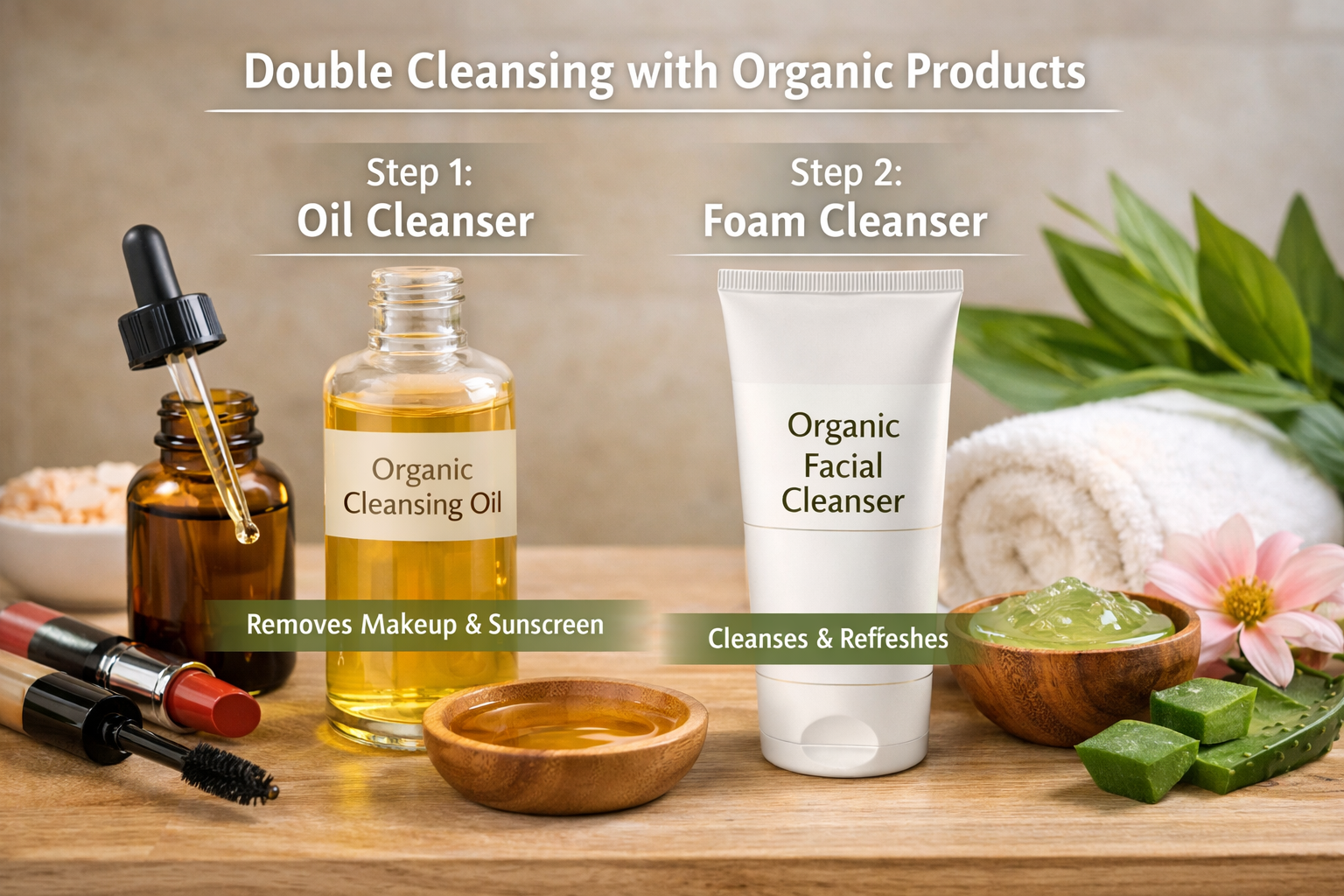
For heavy makeup or sunscreen, many people pair an organic facial cleanser with a double-cleansing method, using an organic oil cleanser first.
Quick Comparison Table
| Feature | Organic Facial Cleanser | Regular Facial Cleanser |
|---|---|---|
| Cleansing Strength | Gentle but effective | Often harsh |
| Ingredient Safety | High | Moderate to low |
| Daily Use Suitability | Excellent | Can cause irritation |
| Long-Term Skin Health | Supports | May damage barrier |
| Environmental Impact | Eco-friendly | Less sustainable |
Overall, an organic facial cleanser is a better choice for those who prioritize skin health, safety, and sustainability over temporary results.Key Ingredients in an Organic Facial Cleanser
The effectiveness of an organic facial cleanser depends largely on the quality of its ingredients. Unlike conventional cleansers that rely on synthetic chemicals, organic facial cleansers use plant-based, nutrient-rich ingredients that cleanse the skin while delivering additional skincare benefits. Understanding these ingredients helps you choose a cleanser that truly supports your skin type and concerns.
Common Organic Ingredients to Look For
A high-quality organic facial cleanser typically contains a blend of cleansing agents, soothing botanicals, and antioxidant-rich extracts. Each ingredient plays a specific role in maintaining healthy skin.
Most effective organic ingredients include:
- Aloe Vera – Hydrates the skin, reduces redness, and soothes irritation
- Green Tea Extract – Rich in antioxidants that protect against environmental damage
- Chamomile – Calms sensitive skin and reduces inflammation
- Rose Water – Balances pH and refreshes dull skin
- Tea Tree Oil – Provides natural antibacterial and acne-fighting benefits
- Calendula – Supports healing and strengthens the skin barrier
These ingredients work together to cleanse the skin gently while nourishing and protecting it at the same time.
Natural Cleansing Agents Used in Organic Facial Cleansers
Organic facial cleansers still need surfactants to remove dirt and oil. The difference lies in how gentle these cleansing agents are.
Common natural surfactants include:
- Coconut-derived cleansers
- Sugar-based surfactants
- Amino acid-based cleansing agents
These ingredients produce a soft lather that cleans effectively without stripping essential moisture, making organic facial cleansers suitable for everyday use.
Antioxidants and Vitamins in Organic Facial Cleansers
Many organic facial cleansers contain antioxidants and vitamins that provide added skincare benefits beyond cleansing.
Key nutrients often found in organic cleansers:
- Vitamin C – Brightens skin and promotes collagen production
- Vitamin E – Protects against free radical damage
- Polyphenols – Found in green tea and botanicals, help fight premature aging
Over time, these nutrients help improve skin texture, tone, and resilience.
Ingredients to Avoid in Non-Organic Cleansers
To fully benefit from an organic facial cleanser, it’s important to know which ingredients to avoid. These are commonly found in conventional cleansers and may cause irritation or long-term damage.
Ingredients to avoid include:
- Parabens
- Sulfates (SLS/SLES)
- Synthetic fragrances
- Formaldehyde-releasing preservatives
- Alcohol-based cleansers
Avoiding these harsh ingredients reduces the risk of dryness, breakouts, and sensitivity.
Ingredient Comparison Table
| Ingredient Type | Organic Facial Cleanser | Regular Cleanser |
|---|---|---|
| Cleansing Agents | Coconut/sugar-based | Sulfates |
| Fragrance | Natural or essential oils | Synthetic fragrance |
| Preservatives | Natural or gentle | Parabens |
| Skin Benefits | Nourishing | Limited |
Choosing an organic facial cleanser with the right ingredients ensures your skin stays clean, balanced, and healthy—not just immediately, but long term.How to Choose the Right Organic Facial Cleanser
Choosing the right organic facial cleanser can feel overwhelming because there are so many options available. However, when you understand your skin’s needs and know what to look for, selecting the best organic face cleanser becomes much easier. The right choice can significantly improve your skin’s health, appearance, and comfort over time.
Understand Your Skin Type First
Before purchasing an organic facial cleanser, it’s essential to identify your skin type. Using the wrong cleanser can lead to dryness, breakouts, or irritation—even if the product is organic.
Quick skin type guide:
- Dry skin: Feels tight or flaky after washing
- Oily skin: Appears shiny, especially in the T-zone
- Sensitive skin: Reacts easily with redness or burning
- Acne-prone skin: Frequent breakouts or clogged pores
- Combination skin: Oily T-zone with dry cheeks
Once you understand your skin type, you can match it with a cleanser that provides the right level of hydration and oil control.
Learn How to Read Labels Correctly
Not every product labeled “organic” truly is organic. Some brands use the term loosely, so reading the ingredient list is crucial.
What to look for on the label:
- Certified organic seals (USDA, COSMOS, ECOCERT)
- Organic ingredients listed at the top
- Short, transparent ingredient lists
Red flags to avoid:
- Long chemical-sounding ingredient names
- Synthetic fragrance listed as “parfum”
- Sulfates or parabens
A genuine organic facial cleanser focuses on ingredient quality over marketing claims.
Choose the Right Cleanser Texture
Organic facial cleansers come in different textures, and choosing the right one improves comfort and effectiveness.
Common textures and their benefits:
- Gel cleansers: Best for oily and acne-prone skin
- Cream cleansers: Ideal for dry or mature skin
- Foam cleansers: Light cleansing for normal skin
- Oil cleansers: Excellent for makeup removal and dry skin
Selecting the right texture ensures the organic facial cleanser works with your skin, not against it.
Consider Your Skin Concerns
Beyond skin type, consider specific concerns when choosing an organic facial cleanser.
Targeted concerns include:
- Acne and breakouts
- Aging and fine lines
- Redness and irritation
- Dull or uneven skin tone
Look for organic ingredients that address your concern, such as green tea for aging, tea tree for acne, or chamomile for sensitivity.
Patch Test Before Full Use
Even organic facial cleansers can cause reactions in rare cases. Always perform a patch test before using a new product on your entire face.
Patch testing steps:
- Apply a small amount behind the ear or on the wrist
- Wait 24 hours
- Check for redness or irritation
This simple step helps avoid unwanted skin reactions.
Choosing the Right Organic Facial Cleanser Checklist
| Step | What to Check |
|---|---|
| Skin Type | Dry, oily, sensitive, acne-prone |
| Ingredients | Organic, plant-based |
| Certification | Trusted organic labels |
| Texture | Gel, cream, foam, oil |
| Fragrance | Minimal or fragrance-free |
By choosing the right organic facial cleanser, you create a strong foundation for a healthy, balanced, and effective skincare routine.How to Use an Organic Facial Cleanser Correctly
Even the best organic facial cleanser won’t give its full benefits if it’s not used properly. Proper cleansing helps remove impurities, maintain the skin barrier, and maximize the effectiveness of the nourishing ingredients in organic cleansers. Here’s a complete guide to getting the most out of your organic face wash.
Step-by-Step Guide to Using an Organic Facial Cleanser
- Wash Your Hands First
Always start with clean hands to prevent transferring dirt or bacteria to your face. - Remove Makeup (If Needed)
If you wear heavy makeup, sunscreen, or waterproof products, consider double cleansing: first with an organic oil-based cleanser, then with your regular organic facial cleanser. - Wet Your Face with Lukewarm Water
Avoid hot water, which can strip natural oils and dry the skin. Lukewarm water opens pores slightly for better cleansing. - Apply the Cleanser
Take a small amount of your organic facial cleanser and gently massage it onto your face using upward, circular motions. Focus on areas prone to oil or impurities, such as the T-zone. - Rinse Thoroughly
Remove all traces of cleanser with lukewarm water. Leaving residue behind can cause irritation or clogged pores. - Pat Dry with a Soft Towel
Avoid rubbing, which can irritate the skin. Gently pat the skin dry to maintain moisture balance. - Follow With a Skincare Routine
After cleansing, apply toner, serum, or moisturizer to lock in hydration and boost the benefits of your organic facial cleanser.
How Often Should You Use an Organic Facial Cleanser?
- Morning: Removes sweat, oil, and overnight buildup
- Evening: Cleanses makeup, sunscreen, and pollutants
Most skin types benefit from cleansing twice daily, but sensitive or dry skin may only need a gentle morning or evening cleanse. Over-cleansing can damage the skin barrier and lead to irritation.
Tips for Maximizing Results
- Avoid using harsh scrubs with your organic facial cleanser
- Be consistent—results improve over weeks with regular use
- Combine with hydrating, organic moisturizers for optimal skin health
- Use sunscreen daily to protect cleansed skin from environmental damage
By following these steps, your organic facial cleanser will cleanse effectively, nourish your skin, and support long-term health without irritation or dryness.