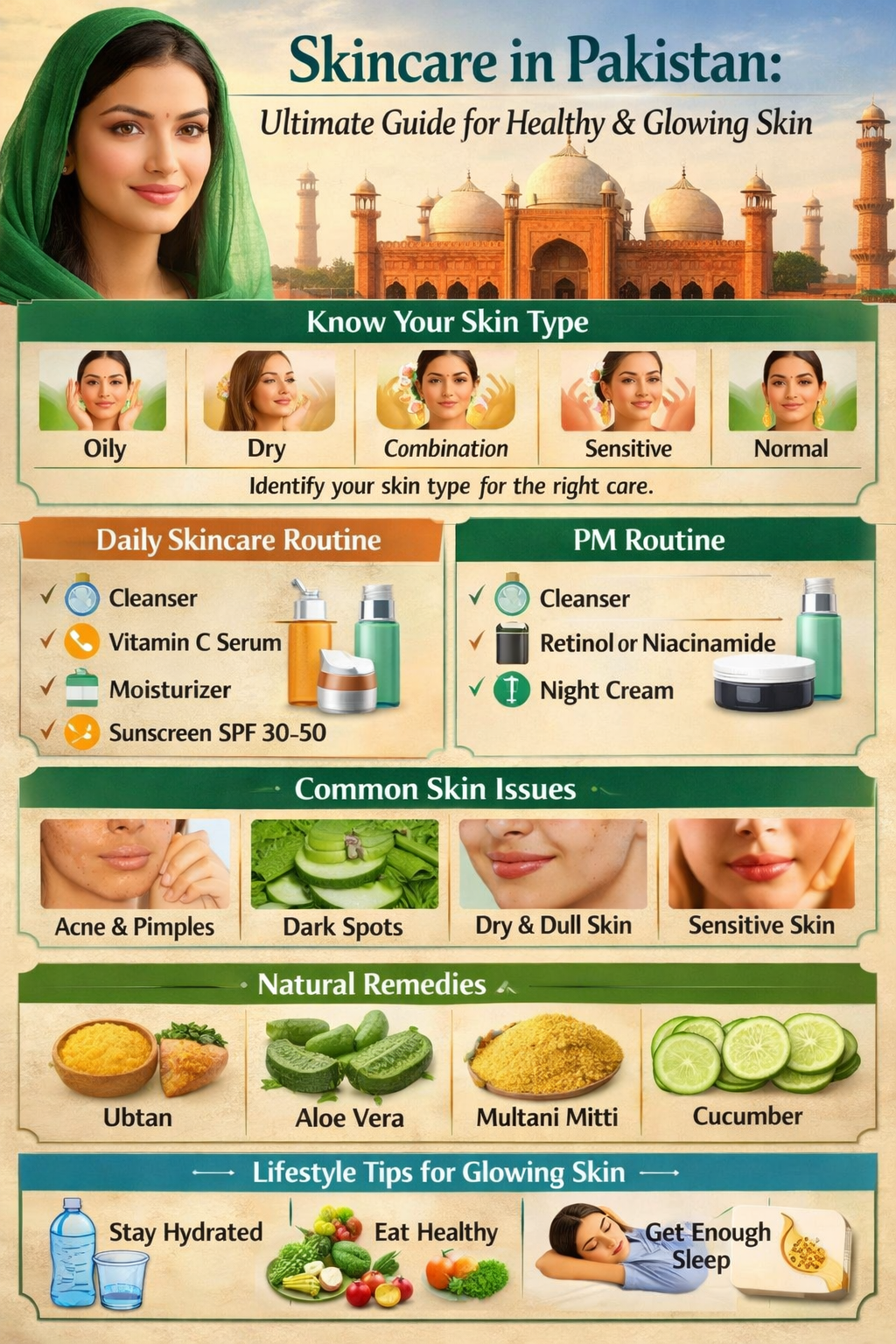
H1: The Ultimate Skincare Guide: Everything You Need to Know for Healthy, Glowing Skin
Introduction to Skincare
Skincare is more than applying creams or washing your face — it is a complete, science-backed approach to keeping your skin healthy, glowing, and protected. Your skin is the body’s largest organ, and just like your heart or lungs, it needs consistent care to function well. A smart skincare routine not only improves appearance but also strengthens the skin barrier, reduces aging signs, prevents breakouts, and protects against sun damage and pollution. When done correctly, skincare can boost confidence, prevent long-term skin issues, and even improve overall wellness.
Modern skincare has evolved dramatically, with new ingredients, new science, and personalized routines for every skin type. Today, skincare is not about expensive products — it’s about understanding your skin, choosing the right ingredients, and following a consistent routine tailored to your unique needs. Whether you struggle with acne, dryness, sensitivity, pigmentation, or early aging, there is a skincare method that works for you.
In this comprehensive skincare guide, we explore everything you need to know, including how skin works, how to build a routine, which ingredients are effective, and how to avoid harmful mistakes. You will also find expert tips, tables, lists, and case-study style examples to help you understand skincare more deeply.
Below is a quick table showing how skincare benefits your skin:
| Skincare Benefit | What It Does | Visible Results |
|---|---|---|
| Cleansing | Removes dirt, oil & bacteria | Fresh, clean skin |
| Moisturizing | Hydrates + strengthens barrier | Soft, plump skin |
| Sunscreen | Protects from UV damage | Slows aging + prevents dark spots |
| Serums | Target specific skin issues | Brighter, clearer, smoother skin |
A healthy skincare routine is not about perfection — it’s about consistency, awareness, and learning what works for your unique skin. This guide will walk you through it all step by step.
H2: What Is Skincare? Understanding the Basics
Skincare refers to the practices, habits, and products that help maintain the health, cleanliness, and appearance of your skin. It involves protecting the skin barrier, keeping the skin hydrated, and addressing issues like acne, dryness, dullness, or aging. Good skincare is not only cosmetic—it has real biological benefits because your skin acts as a shield against bacteria, pollution, UV rays, and harsh environmental factors.
A proper skincare routine works with your skin’s natural processes. The skin constantly renews itself, producing new cells and shedding old ones. When you support this process with the right products and habits, your skin becomes stronger, clearer, and more radiant.
Below is a simple breakdown of what skincare really means:
- Maintaining a strong skin barrier
- Protecting against sun damage
- Preventing premature aging
- Managing skin concerns like acne, pigmentation, uneven tone, or sensitivity
- Keeping the skin hydrated and nourished
H3: Why Skincare Is Important (Scientific + Practical Reasons)
Skincare is crucial because it directly affects both the health and appearance of your skin. Scientifically, the skin is made of three main layers—epidermis, dermis, and hypodermis—each performing vital functions. A damaged skin barrier leads to faster aging, inflammation, and increased sensitivity.
Key Scientific Reasons Skincare Matters:
- Prevents skin barrier damage:
When the skin barrier weakens, moisture escapes and irritants enter, causing redness, acne, or irritation. - Slows down aging:
UV rays and pollution damage collagen. Sunscreen, antioxidants, and retinoids help slow down visible aging. - Reduces inflammation:
Active ingredients like niacinamide, ceramides, and salicylic acid calm the skin and target acne. - Improves hydration:
Ingredients like hyaluronic acid pull moisture into the skin to keep it plump and healthy. - Builds confidence:
Clear and healthy skin boosts self-esteem and mental well-being.
H3: How Does the Skin Work? (Skin Layers, Barrier Function, Microbiome)
Understanding how your skin works is the first step in mastering skincare.
Skin Layers Overview
| Skin Layer | Function |
|---|---|
| Epidermis | Outer layer; protects from bacteria, dehydration, pollution |
| Dermis | Contains collagen, elastin, and skin’s strength structure |
| Hypodermis | Fat layer; provides insulation and cushioning |
1. Skin Barrier Function
The skin barrier (also called the moisture barrier) is the outermost part of the epidermis. It acts like a protective wall. When this wall is strong, your skin holds onto moisture and stays calm. When it’s damaged, your skin becomes irritated, dry, and breakout-prone.
2. Skin Microbiome
Your skin is home to billions of microorganisms that protect it. Harsh products, over-washing, and over-exfoliating can disrupt this balance and cause skin problems.
3. Cell Turnover
Skin naturally renews itself every 28–40 days. Exfoliation and active ingredients help speed up this process for brighter, fresher skin.
H3: Common Skcare Myths vs Facts
Understanding what’s true and what’s not can prevent years of wrong skincare habits.
| Myth | Truth |
|---|
You said:
continue
ChatGPT said:
H3: Common Skincare Myths vs Facts
There is a lot of misinformation in the skincare world. Believing the wrong things can damage your skin, waste your money, and slow down your progress. Here are the most common skincare myths and the real facts behind them:
| Myth | Truth |
|---|---|
| “More products mean better skin.” | Too many products can irritate the skin and damage the barrier. A simple skincare routine often works best. |
| “Natural ingredients are always safer.” | Not always. Lemon, baking soda, and toothpaste can burn or irritate skin. Some synthetic ingredients are safer and more effective. |
| “Oily skin doesn’t need moisturizer.” | Oily skin still needs hydration. Skipping moisturizer increases oil production and causes more breakouts. |
| “Pores can open and close.” | Pores don’t open or close. They may look smaller with exfoliation and oil control. |
| “Sunscreen is only for sunny days.” | UV rays penetrate clouds, windows, and even indoor light. Daily sunscreen is essential for anti-aging and protection. |
| “If it burns, it’s working.” | Burning is usually a sign of irritation, not effectiveness. Only mild tingling from acids or retinol is normal. |
H2: How to Build the Perfect Skincare Routine
Creating a skincare routine doesn’t have to be complicated. The perfect skincare routine is one that fits your skin type, your lifestyle, and your skin goals. You don’t need a 10-step Korean routine — even a 3 to 5-step skincare routine can transform your skin if done correctly and consistently.
A well-built skincare routine focuses on three pillars:
- Cleansing – removing dirt, oil, makeup, and bacteria
- Treating – targeting concerns like acne, pigmentation, or aging
- Moisturizing + Protecting – hydrating and shielding skin from harm
Below, each part of the routine is explained in detail so you can build a skincare routine that actually works.
H3: What Skincare Products Do You Really Need? (Beginner-Friendly Routine)
Many people waste money buying trendy skincare products without understanding what their skin actually needs. The truth is, you only need a few essentials:
Basic Skincare Routine (3 Steps):
- Cleanser
- Moisturizer
- Sunscreen (AM only)
Intermediate Skincare Routine (5 Steps):
- Cleanser
- Toner (optional)
- Serum
- Moisturizer
- Sunscreen
Advanced Routine (7–10 Steps):
For people with more skin concerns
- Exfoliants (AHA/BHA)
- Retinoids
- Eye creams
- Face oils
- Essences
Important: Start simple, then add new products slowly — one product at a time to track reactions.
H3: Morning Skincare Routine vs Night Skincare Routine — What’s Different?
Your skin has different needs during the day and night, so your skincare routine should change accordingly.
Morning Skincare Routine (AM):
- Focus on protection
- Shield your skin from UV rays, pollution, dust, and blue light
Essential AM products:
- Gentle cleanser
- Antioxidant serum (like Vitamin C)
- Moisturizer
- Sunscreen (SPF 30 or 50)
Night Skincare Routine (PM):
- Focus on repair and rejuvenation
- Skin heals faster at night and absorbs active ingredients better
Essential PM products:
- Cleanser
- Treatment serums (retinol, niacinamide, AHAs/BHAs)
- Moisturizer or night cream
H3: How to Layer Skincare Products Correctly (Step-by-Step Guide)
Layer
You said:
continue
ChatGPT said:
H3: How to Layer Skincare Products Correctly (Step-by-Step Guide)
Layering skincare the right way is one of the most important parts of a skincare routine. When you apply products in the correct order, each ingredient works better, absorbs properly, and avoids unnecessary irritation. The golden rule of skincare layering is:
“Apply from the thinnest texture to the thickest texture.”
Here is a clear step-by-step guide:
AM Skincare Layering Order
- Cleanser – Removes oil & dirt
- Toner (optional) – Balances skin pH and preps skin
- Essence (optional) – Adds hydration
- Serum – Active ingredients (Vitamin C, Niacinamide, Hyaluronic Acid)
- Eye Cream (optional) – For dark circles or puffiness
- Moisturizer – Locks in hydration
- Sunscreen – MOST important daytime step
PM Skincare Layering Order
- Oil Cleanser / Micellar Water – Removes makeup
- Foam or Gel Cleanser – Removes impurities
- Toner / Hydrating Mist – Refreshes and preps skin
- Serum – Treatment ingredients like retinol, AHA/BHA
- Spot Treatment – Only on acne or pigmentation spots
- Moisturizer / Night Cream – Seals in moisture
- Face Oil (optional) – For extra hydration
Quick Table: Skincare Layering
| Step | Example Products | Purpose |
|---|---|---|
| Cleanser | Gel, Foam, Milk | Cleans skin |
| Toner | Hydrating, Exfoliating | Preps skin |
| Serum | Vitamin C, AHA, BHA | Targets concerns |
| Moisturizer | Cream, Gel | Hydrates |
| Sunscreen | SPF 30-50 | Protects skin |
Applying products in the correct sequence ensures maximum absorption and prevents pilling (when products ball up on the skin).
H3: How Long Does Skincare Take to Work? (Timeline Expectations)
One of the biggest mistakes in skincare is expecting overnight results. Skincare is a long-term investment, and different ingredients take different amounts of time to show visible improvement.
Here is a realistic timeline:
| Skincare Product / Ingredient | When You See Results |
|---|---|
| Moisturizer | Immediately – 1 week |
| Hyaluronic Acid | 1–3 days |
| Niacinamide | 2–4 weeks |
| Vitamin C | 3–8 weeks |
| Retinol / Retinoids | 8–12 weeks |
| AHA/BHA exfoliants | 2–6 weeks |
| Sunscreen (protection) | Immediate |
| Acne Treatments | 4–12 weeks |
| Hyperpigmentation Treatments | 8–16 weeks |
Why Skincare Takes Time
- Skin regenerates every 28–40 days
- Ingredients need time to reach deeper layers
- Pigmentation and acne occur below the surface
- Too much impatience leads to overuse → irritation
Case Example:
A woman struggling with pigmentation started Vitamin C + sunscreen daily. After 2 weeks, her skin looked brighter. After 8 weeks, her dark spots faded by nearly 40%. After 12 weeks, her skin tone looked even and smoother. Consistency—not speed—is key.
H2: Step-by-Step Daily Skincare Routine for All Skin Types
Now that layering and routine basics are clear, let’s explore exactly how to perform a full daily skincare routine. This section covers each step with details, benefits, and ingredient recommendations.
H3: Step 1 – Cleansing (Types of Cleansers & How to Choose)
Cleansing is the foundation of every skincare routine. If your skin isn’t properly cleaned, no other skincare product will work. Cleansing removes oil, dirt, makeup, sweat, bacteria, and pollution particles that can clog pores.
Types of Cleansers
| Cleanser Type | Best For | Texture |
|---|---|---|
| Gel Cleanser | Oily & combination skin | Lightweight gel |
| Cream Cleanser | Dry & sensitive skin | Thick, creamy |
| Foam Cleanser | Oily skin | Airy, bubbly |
| Oil Cleanser | Makeup wearers | Oily, smooth |
| Micellar Water | Sensitive skin | Water-like |
How to Choose a Cleanser Based on Skin Type
- Oily skin: Gel or foam cleansers
- Dry skin: Cream or milk cleansers
- Sensitive skin: Micellar water or gentle hydrating cleansers
- Acne-prone skin: Salicylic acid cleansers
Cleansing Tips:
- Wash face for at least 60 seconds (1-minute rule)
- Use lukewarm water, not hot
- Avoid over-washing (twice a day is enough)
H3: Step 2 – Exfoliating (Chemical vs Physical Exfoliants)
Exfoliation removes dead skin cells and reveals brighter, smoother skin. But over-exfoliating can damage your skin barrier.
Chemical Exfoliants (Better for most people)
- AHAs (Glycolic, Lactic)
- BHAs (Salicylic Acid)
- PHAs (Gentle exfoliants for sensitive skin)
Physical Exfoliants (Use carefully)
- Scrubs with fine particles
- Face brushes
- Rice powder exfoliants
Benefits of Exfoliation:
- Brightens skin
- Unclogs pores
- Reduces acne
- Improves texture
- Fades pigmentation
How Often to Exfoliate:
- Oily skin: 2–3 times weekly
- Dry/sensitive skin: 1 time weekly
- Acne-prone skin: BHA twice weekly