Hyaluronic acid has become one of the most popular skincare ingredients in the beauty industry. Dermatologists, skincare experts, and beauty influencers consistently recommend hyaluronic acid because of its impressive ability to hydrate and support healthy skin. Whether found in serums, moisturizers, face masks, or anti-aging creams, hyaluronic acid is considered one of the most effective ingredients for maintaining soft, smooth, and glowing skin.
Modern skincare trends on platforms like TikTok, Instagram, and YouTube have increased awareness about hydration focused skincare. Consumers today are more educated about ingredients and are increasingly interested in science backed skincare routines instead of temporary beauty trends.
One reason hyaluronic acid remains so popular is its versatility. It works well for many skin types, including dry skin, oily skin, combination skin, acne prone skin, and sensitive skin. It can also be combined with many other skincare ingredients such as vitamin C, niacinamide, ceramides, and retinol.
In this article, you will learn about the Benefits of Hyaluronic Acid for Hydration: The Ultimate Guide to Healthy and Glowing Skin ,how it hydrates the skin, its anti-aging benefits, how to use it correctly, and why dermatologists recommend it as part of healthy skincare routines.
What Is Hyaluronic Acid
Hyaluronic acid is a naturally occurring substance found in the body.
It is present in:
- Skin
- Eyes
- Connective tissues
Its main function is to retain moisture.
Why It Matters in Skincare
Healthy hydration helps maintain smooth, plump, and resilient skin.
How Hyaluronic Acid Works
Hyaluronic acid acts like a moisture magnet.
What It Does
It attracts and holds water within the skin.
Hydration Capacity
Hyaluronic acid can hold large amounts of water compared to its weight.
This ability makes it highly effective for improving skin hydration.
Why Hydration Is Important for Healthy Skin
Hydration affects the overall appearance and health of the skin.
Benefits of Well Hydrated Skin
- Smoother texture
- Improved elasticity
- Healthy glow
- Reduced dryness
- Better barrier function
Hydrated skin often appears healthier and younger.
The Difference Between Dry and Dehydrated Skin
Many people confuse dryness and dehydration.
Dry Skin
Dry skin lacks natural oils.
Common Signs
- Flaking
- Rough texture
- Tightness
Dehydrated Skin
Dehydrated skin lacks water.
Common Signs
- Dull appearance
- Tight feeling
- Fine dehydration lines
Hyaluronic acid helps address dehydration by increasing water retention.
Benefits of Hyaluronic Acid for Skin Hydration
Hyaluronic acid provides multiple skincare benefits.
Deep Hydration
It helps deliver moisture into the skin.
Result
Skin feels softer, smoother, and more comfortable.
Plumper Skin Appearance
Hydrated skin appears fuller and healthier.
Benefits
- Reduced fine lines
- Smoother surface
- Youthful appearance
Hydration improves overall skin texture.
Improved Skin Barrier Function
Healthy hydration supports the skin barrier.
Why This Matters
Strong skin barriers help:
- Prevent moisture loss
- Reduce sensitivity
- Protect against irritation
Barrier support is essential for long term skin health.
Reduced Dryness and Tightness
Hyaluronic acid helps relieve uncomfortable dryness.
Especially Helpful For
- Dry climates
- Winter skincare
- Dehydrated skin conditions
Consistent hydration improves skin comfort significantly.
Hyaluronic Acid and Anti-Aging Benefits
Hydration is important for youthful looking skin.
Anti-Aging Benefits
- Softens fine lines
- Improves elasticity
- Enhances smoothness
While hyaluronic acid does not stop aging, it helps skin appear healthier and fresher.
Hyaluronic Acid and Sensitive Skin
Sensitive skin often reacts well to hyaluronic acid.
Why It Works
- Gentle ingredient
- Non irritating for many people
- Supports barrier repair
It is commonly included in calming skincare products.
Hyaluronic Acid for Oily Skin
Oily skin also needs hydration.
Benefits for Oily Skin
- Lightweight hydration
- Non greasy feel
- Improved balance
Hydrated oily skin may produce less excess oil over time.
Hyaluronic Acid for Acne Prone Skin
Acne treatments sometimes cause dryness and irritation.
Why Hyaluronic Acid Helps
- Supports hydration
- Reduces tightness
- Improves comfort during acne treatment
It works well alongside active ingredients like retinol and salicylic acid.
Hyaluronic Acid for Dry Skin
Dry skin especially benefits from hydrating ingredients.
Best Product Types
- Cream moisturizers
- Hydrating serums
- Overnight masks
Combining hyaluronic acid with ceramides often improves results.
Different Types of Hyaluronic Acid
Skincare products may contain different molecular weights.
High Molecular Weight Hyaluronic Acid
Hydrates the surface of the skin.
Benefits
- Immediate softness
- Smooth appearance
Low Molecular Weight Hyaluronic Acid
Penetrates deeper into the skin.
Benefits
- Longer lasting hydration
- Improved elasticity
Many products combine multiple molecular weights for better hydration.
How to Use Hyaluronic Acid Correctly
Correct application improves effectiveness.
Apply on Damp Skin
Hyaluronic acid works best when applied to slightly damp skin.
Why
It attracts available moisture into the skin.
Seal with Moisturizer
Moisturizer helps lock hydration into the skin.
Ideal Routine
- Cleanser
- Hyaluronic acid serum
- Moisturizer
Layering correctly improves hydration.
Morning and Evening Use
Hyaluronic acid can usually be used twice daily.
Benefits
- Continuous hydration support
- Better skin comfort
Consistency is important for visible improvements.
Ingredients That Work Well with Hyaluronic Acid
Hyaluronic acid combines well with many skincare ingredients.
Vitamin C
Vitamin C brightens the skin while hyaluronic acid hydrates.
Combined Benefits
- Glow
- Hydration
- Antioxidant protection
Retinol
Retinol may cause dryness initially.
Why Hyaluronic Acid Helps
It improves comfort and reduces dehydration.
Niacinamide
Niacinamide supports the skin barrier.
Benefits Together
- Balanced hydration
- Reduced irritation
- Improved texture
These combinations are common in dermatologist recommended routines.
Ingredients to Use Carefully
Hyaluronic acid is generally very gentle.
However, overusing too many active ingredients may still irritate the skin.
Examples
- Strong exfoliating acids
- Excessive retinol use
Balanced skincare routines are always best.
The Role of Moisturizers with Hyaluronic Acid
Hyaluronic acid attracts moisture, but moisturizers help seal it in.
Helpful Moisturizing Ingredients
- Ceramides
- Squalane
- Glycerin
- Shea butter
Healthy moisture retention supports long term hydration.
Hyaluronic Acid and Climate Conditions
Climate affects hydration needs.
Dry Climates
Additional moisturizer may be necessary.
Humid Climates
Lightweight serums often work well.
Personalized skincare helps improve results.
Popular Hyaluronic Acid Skincare Products
Many skincare brands offer hyaluronic acid products.
Brands like The Ordinary, CeraVe, and La Roche-Posay are widely recommended by skincare enthusiasts and dermatologists.
Hyaluronic Acid and Skin Barrier Repair
Healthy skin barriers require hydration.
Benefits for Barrier Health
- Reduced moisture loss
- Improved resilience
- Better protection against irritation
Hydration supports overall skin recovery.
Lifestyle Factors That Affect Hydration
Skincare products alone are not enough.
Important Habits
- Drinking water
- Eating balanced meals
- Sleeping well
- Managing stress
Healthy lifestyles support healthier skin.
Nutrition and Skin Hydration
Certain nutrients support skin moisture naturally.
Helpful Foods
- Fruits
- Vegetables
- Healthy fats
- Water rich foods
Nutrition and skincare work together for better results.
Common Mistakes When Using Hyaluronic Acid
Applying on Completely Dry Skin
This may reduce effectiveness.
Skipping Moisturizer
Moisturizer helps seal hydration into the skin.
Expecting Instant Results
Consistent use is necessary for long term improvements.
Social Media and Hyaluronic Acid Trends
Social media has popularized hydration focused skincare routines.
Beauty influencers often share:
- Glass skin routines
- Hydrating product reviews
- Morning skincare videos
- Dermatologist recommendations
Consumers are increasingly prioritizing healthy skin over heavy makeup coverage.
Clean Beauty and Hydration Focused Skincare
Consumers increasingly prefer:
- Fragrance free products
- Sustainable packaging
- Cruelty free skincare
- Minimal ingredient formulas
The skincare industry continues evolving toward barrier friendly formulations.
Hyaluronic Acid Myths and Misconceptions
Myth 1 Hyaluronic Acid Is an Exfoliating Acid
Hyaluronic acid is hydrating, not exfoliating.
Myth 2 Oily Skin Does Not Need Hydration
All skin types need proper hydration.
Myth 3 More Product Means Better Results
Small consistent amounts are usually enough.
Understanding ingredient science helps avoid skincare confusion.
Professional Treatments Using Hyaluronic Acid
Hyaluronic acid is also used in professional skincare procedures.
Injectable Fillers
Certain cosmetic fillers contain hyaluronic acid.
Benefits
- Added facial volume
- Reduced wrinkles
These procedures should only be performed by licensed professionals.
Hydrating Facials
Many spa treatments include hyaluronic acid based hydration therapies.
Professional treatments may complement home skincare routines.
The Future of Hydration Focused Skincare
Future skincare innovations may include:
- Personalized hydration technology
- Biotechnology ingredients
- Advanced barrier repair products
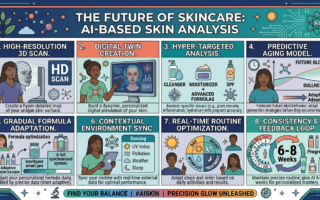
- AI skin analysis
Scientific research continues improving skincare formulations.
These resources provide trusted skincare education and ingredient research.
Conclusion
Hyaluronic acid has become one of the most trusted skincare ingredients because of its impressive ability to support hydration, improve skin texture, and enhance overall skin health. Its gentle nature and compatibility with many skin types make it a valuable addition to both beginner and advanced skincare routines.
Healthy skin depends heavily on proper hydration, barrier protection, and consistent skincare habits. Whether someone has dry skin, oily skin, acne prone skin, or sensitive skin, hyaluronic acid can help improve moisture balance and support healthier looking skin.
Skincare should focus on long term health and consistency rather than quick fixes. By understanding how hydration affects the skin and using science backed ingredients like hyaluronic acid, people can build healthier and more effective skincare routines naturally.
FAQs
What does hyaluronic acid do for the skin?
Hyaluronic acid hydrates the skin and helps improve smoothness and elasticity.
Is hyaluronic acid suitable for oily skin?
Yes, oily skin benefits from lightweight hydration.
Can hyaluronic acid help dry skin?
Yes, it helps attract and retain moisture within the skin.
Should hyaluronic acid be used daily?
Most people can safely use it morning and evening.
Does hyaluronic acid help anti-aging?
Hydrated skin often appears plumper and smoother, reducing the appearance of fine lines.
Can hyaluronic acid be combined with retinol?
Yes, hyaluronic acid helps reduce dryness caused by retinol.
Is hyaluronic acid safe for sensitive skin?
Yes, it is generally considered gentle and suitable for sensitive skin.