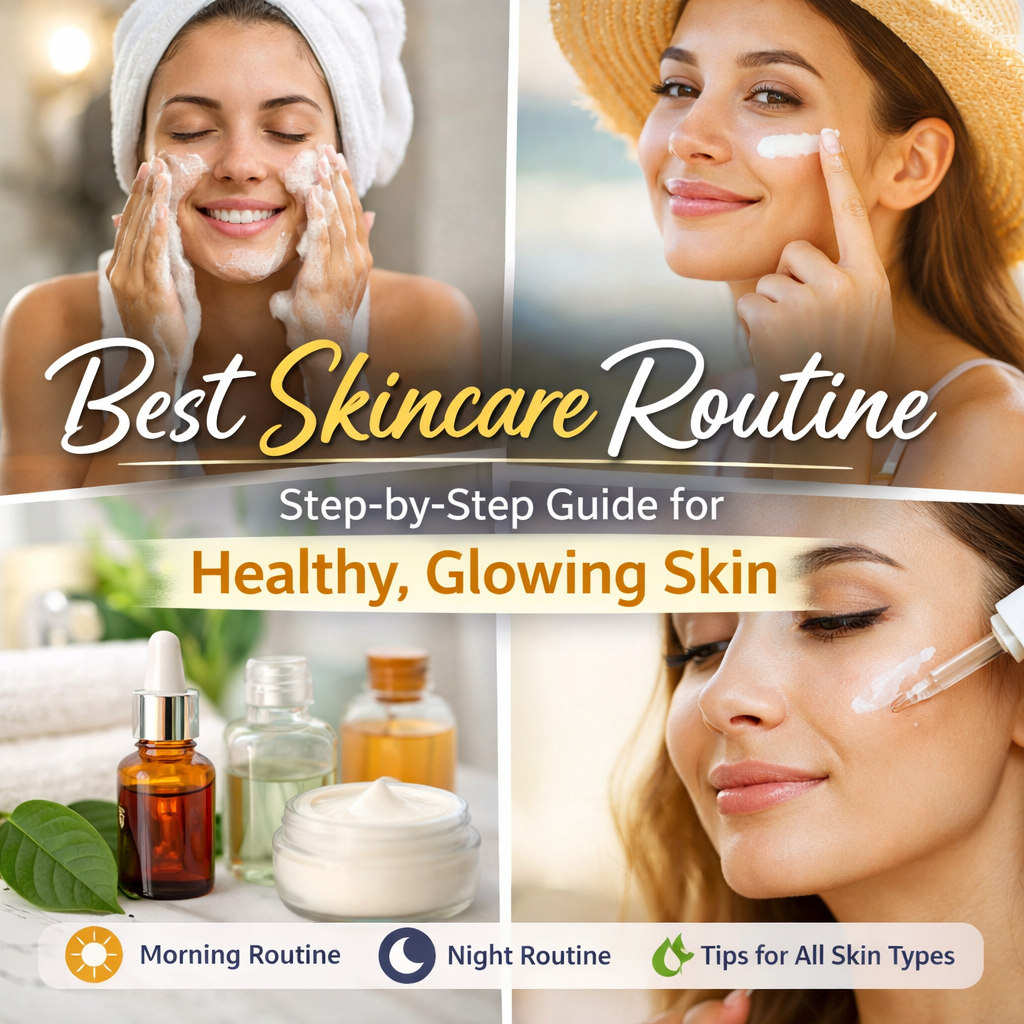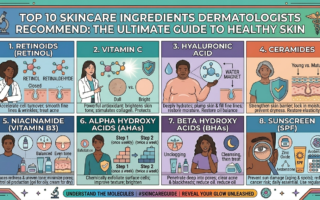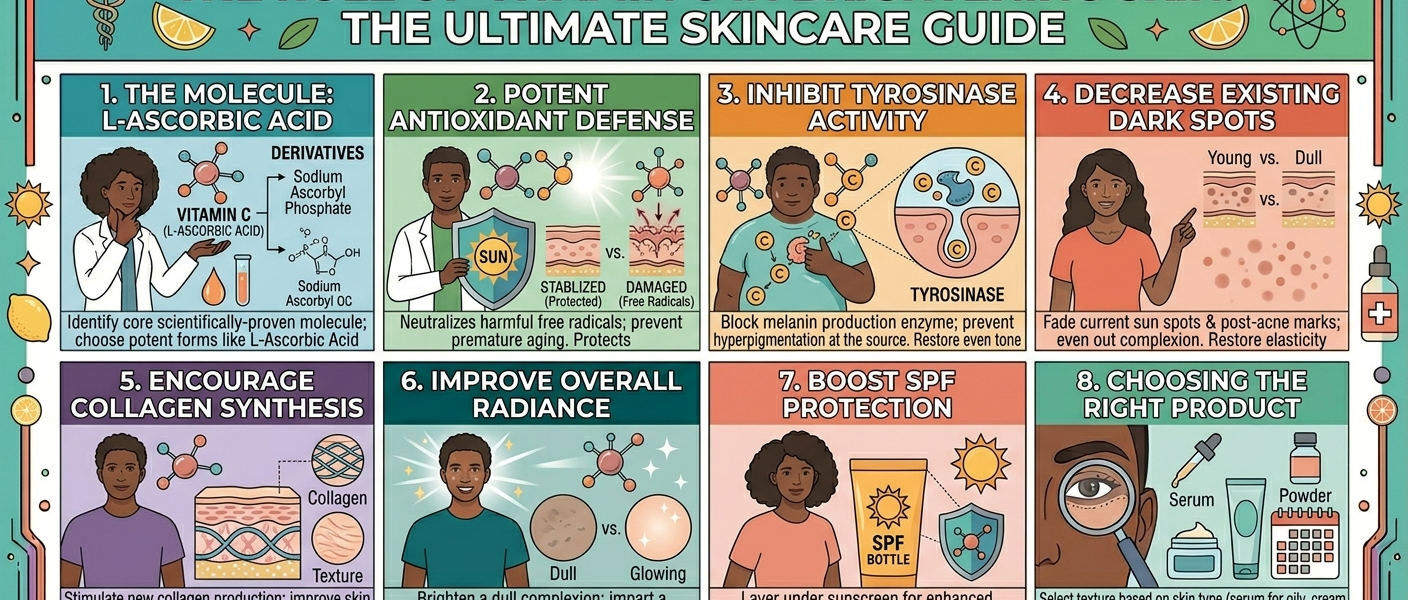
Skincare has become an important part of self care, beauty, and overall wellness. With thousands of skincare products available today, many people feel overwhelmed when trying to create the perfect skincare routine. Social media trends, influencer recommendations, and constantly changing beauty products often make skincare seem more complicated than it actually is.
The truth is that healthy skin comes from consistency, understanding your skin type, and choosing products that match your personal skincare needs. A personalized skincare routine focuses on your unique concerns rather than copying someone else’s routine. Whether your goal is brighter skin, hydration, acne control, anti-aging benefits, or reducing sensitivity, the right skincare routine can help improve both skin health and confidence.
Platforms like TikTok, Instagram, and YouTube have increased awareness about skincare ingredients and beauty education. While online content can be helpful, personalized skincare remains essential because every person’s skin behaves differently.
In this article, you will learn how to Build a Personalized Skincare Routine: The Ultimate Guide for Healthy and Glowing skin, understand your skin type, choose the right ingredients, and create effective morning and evening skincare habits for long term healthy skin.
Why Personalized Skincare Matters
Every person’s skin is unique.
Factors that affect skin include:
- Genetics
- Age
- Climate
- Lifestyle
- Hormones
- Stress
- Diet
A personalized skincare routine helps target specific concerns more effectively.
Understanding Your Skin Type
Knowing your skin type is the foundation of good skincare.
Dry Skin
Dry skin often feels tight, flaky, or rough.
Common Signs
- Rough texture
- Peeling
- Dull appearance
Best Ingredients
- Hyaluronic acid
- Ceramides
- Glycerin
Hydration is essential for dry skin.
Oily Skin
Oily skin produces excess sebum.
Common Signs
- Shine throughout the day
- Enlarged pores
- Frequent breakouts
Best Ingredients
- Salicylic acid
- Niacinamide
- Lightweight moisturizers
Balancing oil production helps improve skin appearance.
Combination Skin
Combination skin contains both oily and dry areas.
Common Signs
- Oily T-zone
- Dry cheeks
- Uneven texture
Balanced skincare products usually work best.
Sensitive Skin
Sensitive skin reacts easily to products or environmental changes.
Common Signs
- Redness
- Burning
- Irritation
Best Ingredients
- Ceramides
- Aloe vera
- Fragrance free products
Gentle skincare routines are important for sensitive skin.
Acne Prone Skin
Acne prone skin experiences regular breakouts.
Common Concerns
- Pimples
- Blackheads
- Clogged pores
Helpful Ingredients
- Retinol
- Salicylic acid
- Benzoyl peroxide
- Niacinamide
Consistency is important when treating acne.
Step 1: Choose the Right Cleanser
Cleansing removes dirt, oil, sweat, and sunscreen.
Types of Cleansers
- Gel cleansers
- Cream cleansers
- Foam cleansers
- Oil cleansers
Choosing the Right Cleanser
Dry skin benefits from hydrating cleansers.
Oily skin usually prefers lightweight gel formulas.
Brands like CeraVe and La Roche-Posay offer cleansers for multiple skin types.
Step 2: Add a Moisturizer
Moisturizers help protect the skin barrier and maintain hydration.
Benefits of Moisturizing
- Prevents dryness
- Supports skin repair
- Improves texture
- Maintains healthy skin barrier
All skin types need moisturizers, including oily skin.
Step 3: Use Sunscreen Daily
Sunscreen is one of the most important skincare products.
Why SPF Matters
UV exposure causes:
- Premature aging
- Dark spots
- Wrinkles
- Skin damage
Recommended SPF
Most dermatologists recommend SPF 30 or higher.
Brands like Supergoop! and EltaMD are popular for daily sun protection.
Step 4: Add Treatment Serums
Serums target specific skin concerns.
Popular Serum Ingredients
- Vitamin C
- Retinol
- Niacinamide
- Hyaluronic acid
Choosing the right serum depends on personal skincare goals.
Vitamin C for Brightening
Vitamin C helps improve dull skin and pigmentation.
Benefits
- Brightens skin tone
- Reduces dark spots
- Supports collagen production
Vitamin C works especially well in morning routines.
Retinol for Anti-Aging
Retinol is a powerful vitamin A derivative.
Benefits
- Reduces wrinkles
- Improves texture
- Supports collagen production
- Helps acne
Beginners should start slowly to avoid irritation.
Niacinamide for Balance
Niacinamide is suitable for many skin types.
Benefits
- Controls oil
- Reduces redness
- Improves barrier function
- Brightens uneven skin tone
It is one of the most versatile skincare ingredients.
Hyaluronic Acid for Hydration
Hyaluronic acid helps attract moisture into the skin.
Benefits
- Plumps skin
- Improves hydration
- Reduces dryness
Hydrated skin often appears healthier and smoother.
Step 5: Exfoliate Carefully
Exfoliation removes dead skin cells.
Benefits
- Smoother texture
- Better product absorption
- Brighter appearance
Types of Exfoliation
- Chemical exfoliants
- Physical exfoliants
Over exfoliating may damage the skin barrier.
Building a Morning Skincare Routine
Simple Morning Routine
- Gentle cleanser
- Vitamin C serum
- Moisturizer
- Sunscreen
Morning routines focus on hydration and protection.
Building an Evening Skincare Routine
Simple Night Routine
- Cleanser
- Treatment serum or retinol
- Moisturizer
Night routines support skin repair and recovery.
How to Layer Skincare Products Correctly
Proper layering improves product effectiveness.
General Rule
Apply products from thinnest to thickest consistency.
Typical Order
- Cleanser
- Toner
- Serum
- Moisturizer
- Sunscreen
Correct layering helps products absorb properly.
Understanding Active Ingredients
Active ingredients target specific skin concerns.
Examples
- Retinol for anti-aging
- Salicylic acid for acne
- Vitamin C for brightening
Too many active ingredients at once may irritate the skin.
How Long Skincare Takes to Work
Skincare results require consistency and patience.
Typical Timelines
- Hydration improvements: a few days
- Brightening results: several weeks
- Retinol benefits: several months
Healthy skin habits provide long term benefits.
Lifestyle Habits That Affect Skin
Skincare products alone are not enough.
Important Lifestyle Factors
- Sleep
- Hydration
- Diet
- Stress management
- Exercise
Healthy lifestyles support better skin health.
The Role of Diet in Healthy Skin
Nutrition strongly affects skin appearance.
Skin Friendly Foods
- Fruits
- Vegetables
- Healthy fats
- Antioxidant rich foods
Balanced diets support skin repair and hydration.
Common Skincare Mistakes to Avoid
Using Too Many Products
Complicated routines may irritate the skin.
Skipping Sunscreen
UV exposure accelerates aging and pigmentation.
Over Exfoliating
Too much exfoliation weakens the skin barrier.
Changing Products Frequently
Consistency is important for visible results.
Skincare Myths and Misconceptions
Myth 1 Expensive Products Always Work Better
Ingredient quality matters more than price.
Myth 2 Oily Skin Does Not Need Moisturizer
All skin types need hydration.
Myth 3 Natural Products Are Always Safer
Natural ingredients can still irritate sensitive skin.
Understanding skincare science helps prevent mistakes.
Social Media and Personalized Skincare
Social media has transformed skincare education.
Beauty creators now share:
- Ingredient breakdowns
- Product reviews
- Routine tutorials
- Dermatologist interviews
However, skincare should always be personalized rather than trend driven.
Sustainable and Clean Beauty Trends
Consumers increasingly prefer:
- Cruelty free skincare
- Sustainable packaging
- Fragrance free products
- Minimal ingredient formulas
The beauty industry continues evolving toward sustainability.
How Age Affects Skincare Needs
Skincare needs change with age.
Teens
Focus on acne prevention and oil control.
Twenties
Hydration and sun protection become important.
Thirties and Beyond
Anti-aging ingredients like retinol and peptides become more common.
Personalized skincare evolves over time.
The Importance of Skin Barrier Health
The skin barrier protects against irritation and moisture loss.
Signs of Barrier Damage
- Dryness
- Redness
- Sensitivity
- Burning sensation
Healthy barriers support stronger and healthier skin.
Professional Treatments and Personalized Skincare
Some people combine skincare with professional procedures.
Popular Treatments
- Chemical peels
- Facials
- Laser treatments
- Microneedling
Professional advice may help address advanced concerns.
The Future of Personalized Skincare
Future skincare trends may include:
- AI based skin analysis
- Personalized skincare formulas
- Biotechnology ingredients
- Smart beauty devices
Technology continues transforming skincare experiences.
These resources provide dermatologist approved skincare education and ingredient research.
Conclusion
Building a personalized skincare routine is one of the best ways to support healthy and glowing skin. Instead of following every beauty trend, focusing on your unique skin type, concerns, and lifestyle helps create routines that are effective, sustainable, and realistic.
Healthy skincare does not require complicated routines or expensive products. Simple habits like cleansing, moisturizing, using sunscreen, and choosing science backed ingredients can make a significant difference over time.
Skincare is ultimately about consistency, patience, and understanding your skin’s individual needs. By building a personalized routine, you can support long term skin health while improving confidence and self care habits.
FAQs
How do I know my skin type?
Observe how your skin behaves throughout the day, including dryness, oiliness, or sensitivity.
What are the most important skincare products?
Cleanser, moisturizer, and sunscreen are considered essential.
Can beginners use retinol?
Yes, beginners should start with low strength retinol products slowly.
Why is sunscreen important every day?
Sunscreen protects against UV damage and premature aging.
How long does skincare take to show results?
Most products require several weeks or months of consistent use.
Is expensive skincare always better?
No, effective ingredients matter more than product price.
Can I use multiple active ingredients together?
Yes, but some combinations should be introduced carefully to avoid irritation.