How to Treat Hyperpigmentation Effectively: A Practical Dermatologist-Informed Guide
Hyperpigmentation is one of the most common skincare concerns, but it is also one of the most frequently misunderstood. It can appear as flat brown marks after acne, larger patches caused by melasma, isolated sun spots, or areas of discoloration that develop after a rash, injury, burn, or irritating cosmetic treatment. Although many types of hyperpigmentation are harmless, the emotional impact can be significant, particularly when the discoloration affects visible areas such as the face, neck, hands, or chest.
The challenge is that not every dark spot has the same cause. A treatment that works well for a recent acne mark may not be suitable for melasma, a deep dermal pigment condition, or a suspicious lesion that requires medical examination. Effective care therefore begins with an accurate understanding of the pigmentation rather than immediately applying the strongest brightening product available.
When people ask how to treat hyperpigmentation effectively, I usually recommend focusing on three priorities. First, identify and control the trigger. Second, protect the skin from ultraviolet radiation and visible light. Third, choose one treatment that suits the skin’s condition, sensitivity, and medical circumstances.
Patience is also essential. Pigment often develops gradually and rarely disappears overnight. Harsh scrubs, excessive exfoliation, unregulated lightening creams, and aggressive procedures can create inflammation and deepen discoloration. A measured, evidence-informed routine is usually safer and more productive than an intense routine that the skin cannot tolerate.
This guide explains the main types of pigmentation, suitable skincare ingredients, professional treatments, common mistakes, expected timelines, and safety considerations. It is intended for educational purposes and should not replace an examination or treatment plan from a qualified healthcare professional.
What Is Hyperpigmentation and Why Does It Happen?
Hyperpigmentation is a broad term used to describe areas of skin that appear darker than the surrounding tissue. The color may be light brown, deep brown, gray, blue-gray, or nearly black, depending on the amount of pigment, the natural skin tone, and how deeply the pigment sits within the skin. The condition develops when melanocytes, which are the cells responsible for producing melanin, become more active or when pigment is distributed unevenly.
Melanin serves an important protective function by helping the skin respond to ultraviolet radiation. However, inflammation, hormonal changes, repeated sun exposure, injury, and certain medicines can stimulate excessive or uneven melanin production. When the extra pigment remains near the epidermis, or upper layer of the skin, it often looks brown and may respond more quickly to treatment. Pigment located deeper in the dermis may appear gray or blue-gray and can take considerably longer to improve.
Understanding the cause is important because hyperpigmentation is not a single diagnosis. Post-inflammatory marks, melasma, sun spots, medication-related pigmentation, and suspicious pigmented lesions require different approaches. A person may also experience more than one form at the same time. For example, someone with melasma may also have acne-related marks and sun-induced discoloration.
For a broader overview of the common causes of hyperpigmentation and the factors that influence treatment outcomes, this Harvard Health guide provides additional evidence-based context.
Before beginning treatment, observe when the pigmentation appeared, whether it followed inflammation, whether it changes with sun exposure, and whether any individual spot is growing or changing. This information can help determine whether home care is reasonable or whether a professional examination is necessary. MedlinePlus provides an overview of pigmentation disorders and their possible causes.
| Hyperpigmentation Type | Common Cause | Typical Appearance | Recommended First Step |
|---|---|---|---|
| Post-Inflammatory Hyperpigmentation (PIH) | Acne, eczema, skin injury | Brown or dark marks after inflammation | Treat the underlying inflammation and use sunscreen daily |
| Melasma | Hormonal changes, sun exposure, visible light | Symmetrical patches on cheeks, forehead, upper lip | Consistent sun protection with dermatologist-guided treatment |
| Sun Spots (Solar Lentigines) | Long-term UV exposure | Small, flat brown spots | Daily SPF and pigment-targeting skincare ingredients |
| Age Spots | Aging combined with UV exposure | Dark flat spots on exposed skin | Sun protection and topical brightening agents |
| Medication-Induced Pigmentation | Certain prescription medications | Diffuse or localized discoloration | Consult the prescribing doctor before changing medication |
Post-Inflammatory Hyperpigmentation
Post-inflammatory hyperpigmentation, commonly shortened to PIH, develops after the skin experiences inflammation or injury. It is frequently seen after acne, eczema, psoriasis, insect bites, burns, cuts, shaving irritation, cosmetic procedures, or reactions to skincare products. Once the original inflammation begins to heal, melanocytes may continue producing additional pigment, leaving a flat mark where the injury or rash occurred.
PIH can affect every skin tone, but it is often more visible and longer-lasting in people with medium to deep complexions. The color may range from light brown to dark brown or gray, depending on the depth of the pigment. Unlike an active rash or acne lesion, PIH is usually flat and does not contain pus, fluid, or significant swelling.
Successful post-inflammatory hyperpigmentation treatment begins by controlling the condition that caused it. Treating old acne marks while new breakouts continue to form will produce limited results because each inflamed lesion may leave another mark. The same principle applies to eczema, friction, picking, and irritating skincare.
The skin should be treated gently while the pigment fades. Scrubbing, squeezing blemishes, and applying several strong acids can create additional inflammation. A routine that includes sun protection, treatment of the original condition, and one suitable brightening ingredient is generally more effective. The American Academy of Dermatology recommends addressing the cause of dark spots and avoiding products that irritate the skin.
Melasma and Hormonal Pigmentation
Melasma is a pigmentary condition that usually appears as symmetrical brown or gray-brown patches on the cheeks, forehead, bridge of the nose, chin, or upper lip. It may also affect the neck or forearms. The exact cause is complex, but common contributing factors include ultraviolet exposure, visible light, hormonal changes, genetics, and certain medicines or cosmetics.
Melasma is especially common during pregnancy, when it is sometimes called the mask of pregnancy, but it can also affect people who are not pregnant. Hormonal contraceptives and other hormonal influences may contribute in susceptible individuals. However, hormones are not the only factor. Sunlight and visible light can stimulate pigment production and cause previously improved patches to darken again.
An important point is that melasma often behaves like a chronic or recurring condition. Treatment may produce meaningful improvement, but maintenance is usually necessary. Daily sunscreen, protective clothing, shade, and a carefully selected skincare routine remain important even after the pigmentation has faded.
Melasma treatment may include azelaic acid, hydroquinone, retinoids, cysteamine, combination prescriptions, chemical peels, or selected procedures. The right choice depends on skin tone, pregnancy status, sensitivity, and pigment depth. Overly aggressive treatment may worsen the condition. DermNet explains that melasma can relapse and that procedures must be selected carefully because inflammation may increase pigmentation.
Sun Spots, Medicines and Other Causes
Sun spots, also known as solar lentigines or age spots, are flat areas of increased pigmentation associated with cumulative sun exposure. They commonly develop on the face, hands, shoulders, arms, and upper chest. Although they are more frequent with age, younger people who receive substantial ultraviolet exposure may also develop them.
Pigmentation can also be related to medicines, hormonal disorders, nutritional conditions, infections, or other medical issues. Some drugs may darken the skin directly, increase sensitivity to sunlight, or trigger inflammation that leaves residual pigment. A person who suspects that a prescription is affecting their skin should speak with the prescriber rather than stopping the medicine independently.
Not every dark area should be treated as harmless hyperpigmentation. Melanoma and other skin cancers can sometimes resemble sun spots or ordinary moles. Warning signs include rapid growth, irregular borders, several colors within one lesion, bleeding, crusting, pain, persistent itching, or a spot that looks noticeably different from the others.
A dermatologist should examine any new or changing lesion before cosmetic treatment begins. Applying bleaching creams or undergoing a laser procedure without confirming the diagnosis could delay essential medical care. The American Academy of Dermatology provides guidance on melanoma warning signs. When in doubt, professional examination is safer than assuming that every patch is a routine pigmentation concern.
How to Treat Hyperpigmentation Effectively at Home
A well-designed home treatment plan does not need to contain many products. In fact, simple routines are often more successful because they reduce the risk of irritation and are easier to follow consistently. The main goals are to prevent new pigment from forming, support the skin barrier, and gradually reduce the appearance of existing discoloration.
The first step is to identify whether the trigger is still active. Acne, eczema, friction, sun exposure, picking, and irritating products can continue producing new marks. If these factors are not controlled, even an effective brightening treatment may appear unsuccessful because new pigmentation is forming while older spots are fading.
The second step is daily protection from ultraviolet radiation. Sunscreen is not an optional addition to a hyperpigmentation skincare routine. It is one of the most important parts of treatment because sunlight can darken existing marks and activate pigment-producing cells. Depending on the condition, visible light may also contribute.
The third step is introducing an appropriate active ingredient slowly. A person with acne-related PIH may benefit from a different routine than someone with melasma or sensitive skin. Treatment should be chosen according to the cause, skin type, current products, medical history, and tolerance.
I recommend changing one part of the routine at a time. This makes it easier to identify irritation and determine whether a product is helping. Consistency over several months is usually more valuable than frequent product changes. When home care causes persistent discomfort or no improvement, a dermatologist can assess the diagnosis and offer stronger or more targeted options.
Control the Underlying Trigger First
One thing I always check first is whether the skin is still experiencing inflammation. Active acne, eczema, allergic reactions, shaving irritation, friction, burns, and repeated picking can all stimulate additional melanin production. A dark-spot serum may reduce older marks, but it cannot fully compensate for a trigger that continues producing new discoloration.
For acne-related pigmentation, the priority is preventing new inflammatory lesions. This may involve a gentle cleanser, a non-comedogenic moisturizer, and an appropriate acne treatment. People with eczema or dermatitis may need to focus on restoring the skin barrier and controlling inflammation before introducing brightening acids or retinoids.
Skincare products themselves can become part of the problem. Persistent burning, intense stinging, swelling, peeling, or redness suggests that the routine may be too irritating. Fragranced products, abrasive scrubs, harsh cleansing brushes, and high concentrations of active ingredients can contribute to inflammation in susceptible skin.
The American Academy of Dermatology advises using gentle products when treating dark spots, particularly when irritation is contributing to discoloration. Choose fragrance-free or low-irritant formulas when possible, avoid picking the skin, and address medical conditions with professional guidance. Once the trigger is under control, targeted treatment has a much better chance of producing visible, lasting improvement.
Make Daily Sun Protection Non-Negotiable
Sunscreen is both a preventive measure and an essential part of hyperpigmentation treatment. Ultraviolet radiation can stimulate melanocytes, darken existing marks, and interfere with the progress made by brightening products. Even brief, repeated exposure can matter, particularly when pigmentation is already active.
Choose a broad-spectrum sunscreen that protects against both UVA and UVB radiation and has an SPF of at least 30. Apply it generously every morning to the face, neck, ears, and any other exposed areas. Reapplication is important after swimming, heavy sweating, towel drying, or prolonged outdoor exposure. The product label should provide instructions appropriate to the formula.
People with melasma or persistent facial pigmentation may benefit from a tinted sunscreen containing iron oxides. These pigments can help protect against visible light, which may contribute to darkening in some individuals, especially those with deeper skin tones. The American Academy of Dermatology includes tinted sunscreen among its melasma self-care recommendations.
Sunscreen works best when combined with other forms of protection. Seek shade during intense sunlight, wear a wide-brimmed hat, and use protective clothing when practical. Sun protection should continue after the pigmentation improves because recurrence is common. Without this foundation, even prescription treatments and professional procedures may produce only temporary results.
Introduce One Active Treatment Gradually
Once the trigger is controlled and sunscreen is being used consistently, introduce one active treatment that matches the pigmentation concern. Suitable options may include azelaic acid, vitamin C, a retinoid, glycolic acid, kojic acid, cysteamine, or a clinician-prescribed product. The best choice depends on whether the pigmentation is linked to acne, melasma, sun exposure, sensitivity, or another cause.
Beginning slowly allows the skin to adapt. Unless the product label or a healthcare professional provides different instructions, a new active may be introduced two or three evenings per week. Frequency can be increased gradually when the skin remains comfortable. Moisturizer may be applied before or after an active to improve tolerability.
Patch testing is useful, especially for sensitive or allergy-prone skin. Apply a small amount to a limited area and monitor for a reaction before using it more widely. Mild dryness may occur with certain treatments, but ongoing burning, swelling, cracking, blistering, or severe redness should not be ignored.
Avoid starting several active products at the same time. If irritation develops, it becomes difficult to identify which product caused it. A gradual approach also reduces the risk of post-inflammatory hyperpigmentation caused by the treatment itself. Effective skincare should challenge pigment production without repeatedly damaging the skin barrier.
Best Ingredients for Dark Spots and Uneven Skin Tone
The best treatment for hyperpigmentation depends on the cause, depth, skin tone, sensitivity, and medical circumstances. There is no universal ingredient that works equally well for every person. Some treatments reduce melanin production, others increase cell turnover, and others control the inflammation that stimulates pigment formation.
A useful way to compare ingredients is to consider both their potential benefits and their likelihood of causing irritation. Stronger is not always better. A powerful treatment that repeatedly inflames the skin may worsen discoloration, while a gentler option used consistently may produce better long-term results.
Certain ingredients, including hydroquinone, azelaic acid, kojic acid, cysteamine, and vitamin C, may interfere with processes involved in melanin production. Retinoids and exfoliating acids can support the removal of pigmented surface cells and improve texture. Sunscreen prevents further darkening and supports the effectiveness of every other treatment.
Formulation is also important. Two products containing the same ingredient may perform differently because of concentration, stability, pH, delivery system, or additional ingredients. Product quality, storage, and regular use can influence results.
The table below summarizes commonly used options. It is not a substitute for personalized medical advice, particularly for people who are pregnant, breastfeeding, using prescription medication, or managing a chronic skin condition.
| Ingredient or treatment | May be useful for | Important considerations |
|---|---|---|
| Broad-spectrum sunscreen | All forms of hyperpigmentation | Use daily; tinted iron-oxide formulas may offer visible-light protection |
| Azelaic acid | Acne, PIH, and melasma | Can reduce inflammation and pigment but may initially sting |
| Retinoids | Acne marks, sun damage, and uneven texture | Introduce gradually; generally avoided during pregnancy |
| Vitamin C | Uneven tone and antioxidant support | Stability and formulation affect effectiveness |
| Glycolic acid | Superficial pigment and rough texture | Excessive use can irritate or weaken the skin barrier |
| Kojic acid | Localized dark spots and melasma support | May cause irritation or contact dermatitis |
| Hydroquinone | Selected cases of melasma or PIH | Best used with clinical guidance; regulations vary |
| Cysteamine | Melasma, PIH, and selected lentigines | Odor, application method, and irritation may affect adherence |
Azelaic Acid, Vitamin C and Gentle Brighteners
Azelaic acid is a versatile option because it may address both pigmentation and inflammation. It is frequently considered for acne-related post-inflammatory hyperpigmentation, melasma, and uneven skin tone. By reducing inflammatory activity and interfering with processes involved in excess pigment production, it may help prevent new marks while gradually improving existing discoloration.
Some people experience temporary tingling, dryness, or mild irritation when beginning azelaic acid. Starting with a lower frequency and using a suitable moisturizer may improve tolerance. Although it is often described as a gentler ingredient, sensitive skin can still react, so gradual introduction remains important. DermNet provides additional information about its uses and possible adverse effects.
Vitamin C is another popular option. It acts as an antioxidant and may support a more even-looking complexion. However, vitamin C products vary considerably in stability, concentration, packaging, and formulation. A darkened, oxidized, or poorly stored product may not perform as intended.
Other gentle brightening ingredients include niacinamide, licorice-derived compounds, kojic acid, and arbutin. Evidence and tolerability vary, and these ingredients should not be judged by marketing claims alone. Look at the complete formulation, begin slowly, and avoid combining several potentially irritating brighteners without a clear reason.
Retinoids and Exfoliating Acids
Retinoids are vitamin A derivatives that influence cell turnover and are widely used in acne, photoaging, and selected pigmentation concerns. By supporting the replacement of surface skin cells and helping control acne, retinoids may improve both the source of post-acne marks and the appearance of existing discoloration.
Common retinoids include adapalene, retinol, retinaldehyde, and prescription tretinoin. Their strength and irritation potential differ. Dryness, peeling, redness, and sensitivity may occur during the adjustment period, particularly when a product is introduced too quickly. A gradual schedule, gentle cleanser, moisturizer, and consistent sunscreen can help protect the skin barrier.
Glycolic acid, lactic acid, and other alpha-hydroxy acids exfoliate the outer skin layers. They may help superficial pigmentation and rough texture, but excessive exfoliation can cause inflammation. Avoid combining a strong acid, retinoid, physical scrub, and several other active ingredients in the same routine unless a dermatologist has specifically recommended the combination.
Pregnancy requires additional caution. The American Academy of Dermatology notes that topical retinoids are generally avoided during pregnancy. Anyone who is pregnant, breastfeeding, or planning a pregnancy should review skincare ingredients with an obstetrician or dermatologist rather than relying solely on product marketing or general online advice.
Hydroquinone and Prescription Combinations
Hydroquinone is a well-known pigment-reducing ingredient used in selected cases of melasma, post-inflammatory hyperpigmentation, and other localized discoloration. It works by interfering with melanin production. Depending on local regulations, it may be available only by prescription or may have restrictions on concentration and sale.
Dermatologists sometimes prescribe hydroquinone alone or as part of a combination treatment. A commonly discussed prescription approach combines hydroquinone, tretinoin, and a mild topical corticosteroid. Each component serves a different purpose: reducing pigment production, supporting cell turnover, and managing inflammation. The American Academy of Dermatology discusses prescription options used in melasma care.
Hydroquinone should not be used indefinitely without supervision. Inappropriate or prolonged use may cause irritation and, in rare cases, ochronosis, a difficult-to-treat blue-black discoloration. It should also be applied only to the intended areas rather than used to alter a person’s natural skin tone.
In the United States, the FDA states that over-the-counter hydroquinone skin-lightening products are not approved for legal sale. The FDA also warns against products containing mercury or undisclosed ingredients. Because regulations vary internationally, consumers should purchase only properly labelled products from reputable suppliers and follow local medical guidance.
Professional Treatments for Stubborn Hyperpigmentation
Professional treatment may be appropriate when pigmentation is persistent, widespread, rapidly recurring, or difficult to diagnose. It is also valuable when home treatment causes repeated irritation or produces little improvement despite consistent use. A dermatologist can determine whether pigment is primarily epidermal, dermal, vascular, inflammatory, or related to another condition.
The first advantage of professional care is diagnostic accuracy. A dark area that appears to be ordinary pigmentation may actually represent melasma, lichen planus pigmentosus, medication-related discoloration, a fungal condition, a mole, or a suspicious lesion. Treating the wrong condition can waste time and, in some cases, delay necessary care.
The second advantage is access to prescription-strength medication and carefully controlled procedures. These options may improve resistant pigmentation, but they are not risk-free. Chemical peels, microneedling, lasers, and intense pulsed light deliberately affect or injure the skin. When treatment is too aggressive, inflammation can trigger additional pigmentation.
This risk is particularly relevant for skin of color. The practitioner must understand how different skin tones respond to heat, inflammation, and injury. Treatment settings that are suitable for one person may be inappropriate for another.
Professional treatment should include realistic expectations, a sun-protection plan, aftercare instructions, and a strategy for maintaining results. Ask how many sessions may be needed, what side effects are possible, whether a test area is recommended, and what will happen if the pigmentation becomes darker. An experienced professional should explain both benefits and limitations rather than promising a permanent or instant cure.
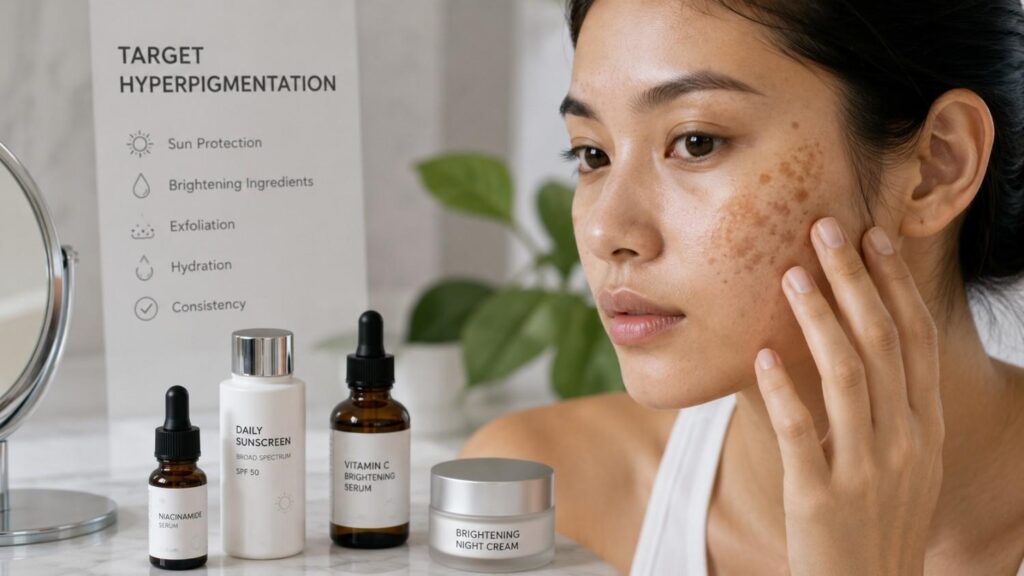
Understanding the different types of hyperpigmentation can help explain why some people respond well to topical treatments while others may require professional evaluation and targeted procedures.
Prescription Topical Treatment
Prescription topical treatment allows a dermatologist to select ingredients and concentrations that are appropriate for the specific diagnosis. Options may include hydroquinone, tretinoin, azelaic acid, corticosteroid-containing combinations, cysteamine, or other pigment-regulating medicines. The plan may involve using treatment for a defined period followed by a maintenance routine.
Prescription strength does not mean that faster or heavier application will produce better results. These medicines can cause irritation, dryness, peeling, redness, or increased sensitivity when used incorrectly. A dermatologist may recommend applying a small amount, beginning on alternate nights, using moisturizer, or temporarily reducing frequency if the skin becomes uncomfortable.
Follow-up is important because the treatment may need adjustment. If the pigmentation improves, the clinician may reduce the strength or frequency to lower the risk of side effects. If it does not improve, the diagnosis or pigment depth may need to be reconsidered.
The expected timeline varies. The American Academy of Dermatology notes that some superficial dark spots may take six to twelve months to fade after the cause stops, while deeper pigmentation may take much longer. Prescription treatment may accelerate improvement, but it does not eliminate the need for sunscreen, trigger control, and patience.
Chemical Peels and Microneedling
Chemical peels use controlled chemical exfoliation to remove part of the outer skin layer. Superficial peels containing ingredients such as glycolic acid, lactic acid, salicylic acid, or other agents may be considered for selected cases of epidermal pigmentation, acne, and uneven texture. The strength and depth of the peel should be matched to the patient’s skin tone, condition, and treatment history.
Microneedling uses fine needles to create controlled micro-injuries. It may be included in treatment plans for pigmentation, acne scars, and texture concerns. However, it is not appropriate for every type of discoloration, and results depend heavily on technique, device quality, treatment depth, and aftercare.
Both procedures can cause redness, swelling, peeling, temporary darkening, infection, scarring, or post-inflammatory hyperpigmentation. These risks increase when procedures are performed too aggressively, repeated too frequently, or carried out on actively inflamed skin.
At-home peel kits and unregulated microneedling devices may deliver unpredictable results. A professional should assess whether the pigmentation is suitable for treatment and provide clear aftercare instructions. Sunscreen, gentle cleansing, moisturization, and avoidance of picking are especially important during recovery. For darker skin tones, practitioner experience with melanin-rich skin should be considered an essential qualification rather than an optional preference.
Laser and Light-Based Procedures
Laser and light-based treatments use targeted energy to affect pigment, blood vessels, or skin structure. Depending on the device, they may be used for sun spots, selected birthmarks, post-inflammatory pigmentation, or other concerns. Intense pulsed light, commonly called IPL, is another light-based technology sometimes used for superficial discoloration.
These procedures are often marketed as fast solutions, but they are not automatically safer or more effective than topical care. Heat and inflammation can stimulate melanocytes. If the treatment is too strong, poorly selected, or performed on the wrong type of pigmentation, the skin may become darker instead of lighter.
Melasma requires particular caution because it often returns and may worsen after aggressive procedures. DermNet notes that lasers and IPL can aggravate melasma or contribute to relapse in some patients. A professional should explain why a specific device is being recommended and how it fits into the overall treatment plan.
Before proceeding, ask about the practitioner’s credentials, experience with your skin tone, treatment settings, test spots, expected downtime, and risk of PIH. Professional care should also include strict post-procedure sun protection and a maintenance routine. No responsible practitioner should guarantee complete, permanent removal after a single session.
A Step-by-Step Hyperpigmentation Skincare Routine
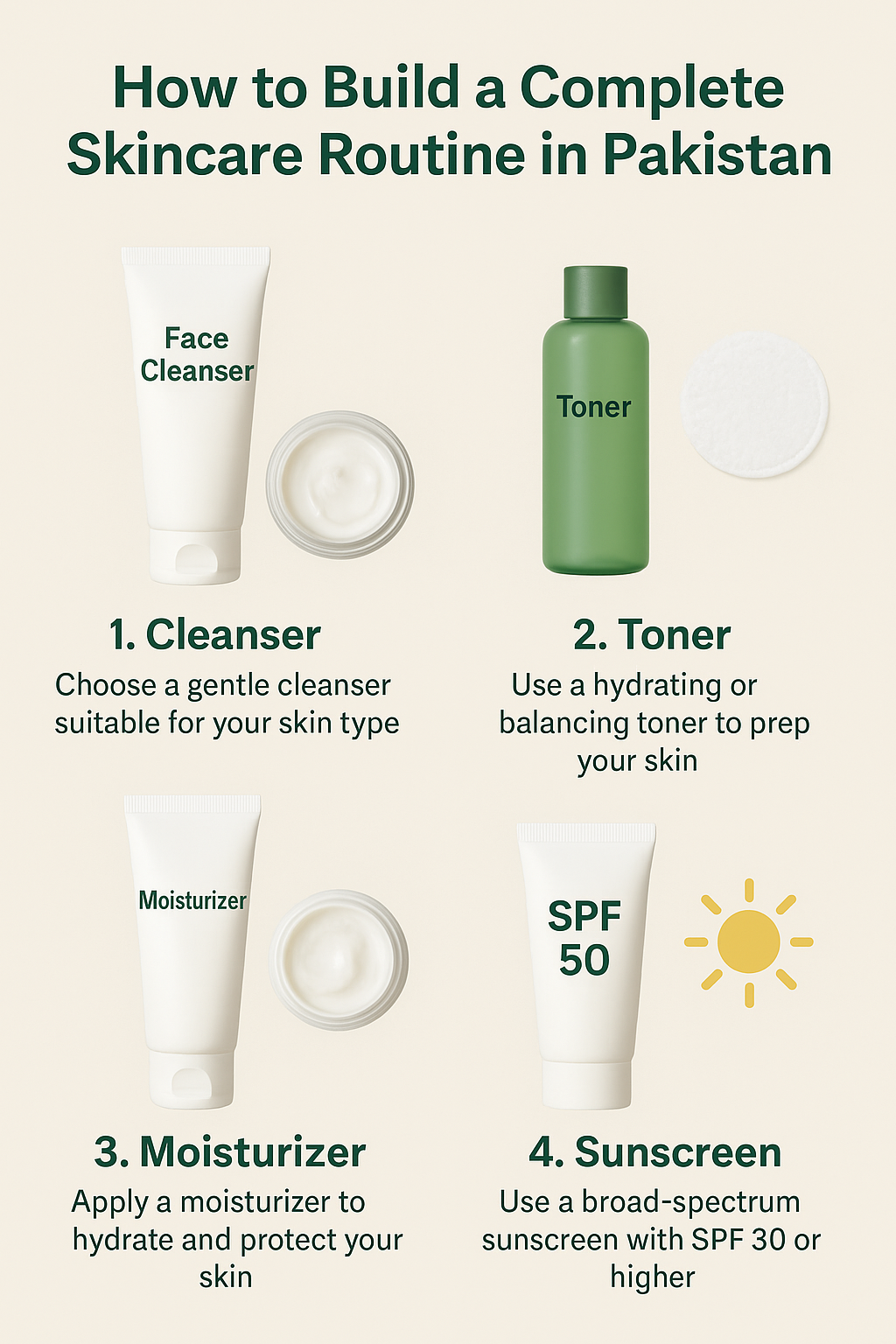
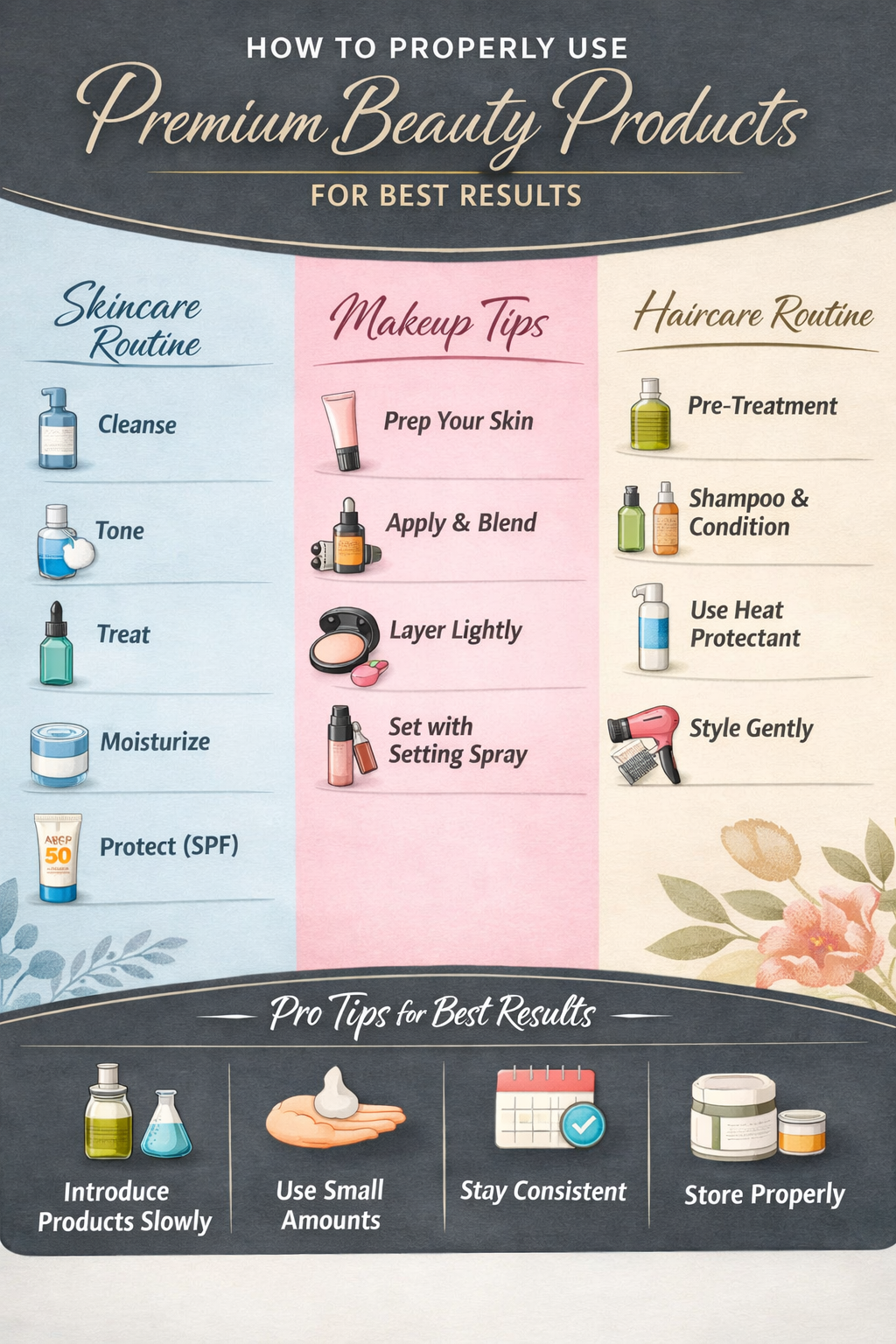
A practical hyperpigmentation skincare routine should protect the skin, support barrier function, control the underlying cause, and deliver treatment without unnecessary irritation. The routine does not need to be complicated. A gentle cleanser, moisturizer, sunscreen, and one or two carefully selected active products are often enough.
The morning routine focuses on protection. Ultraviolet radiation and visible light can worsen pigmentation, so sunscreen should be applied every day, including on cloudy days and during periods spent near bright windows. An antioxidant or pigment-regulating ingredient may be added when tolerated.
The evening routine focuses on cleansing, repair, and treatment. This is often the most convenient time to apply retinoids, azelaic acid, exfoliating acids, or prescription products. However, not every ingredient needs to be used every night. Frequency should be adjusted according to skin tolerance and professional guidance.
Monitoring is another important part of the routine. Pigmentation changes slowly, and daily inspection can make progress difficult to recognize. Monthly photographs taken in similar lighting provide a more objective comparison.
The routine should also evolve. During irritation, illness, travel, pregnancy, seasonal weather changes, or professional procedures, active treatment may need to be reduced or paused. I recommend prioritizing skin comfort and consistency over an inflexible schedule. A routine that causes repeated damage will not deliver sustainable improvement, even when it contains highly effective ingredients.
| Daily Habit | Why It Helps | Best Practice |
|---|---|---|
| Apply Broad-Spectrum Sunscreen | Prevents existing pigmentation from becoming darker | Use SPF 30+ every morning and reapply as needed |
| Avoid Picking Acne | Reduces new post-inflammatory pigmentation | Allow blemishes to heal naturally |
| Introduce One Active Ingredient at a Time | Minimizes irritation and skin barrier damage | Wait several weeks before adding another treatment |
| Moisturize Regularly | Supports the skin barrier and reduces irritation | Use a gentle, fragrance-free moisturizer |
| Track Progress Monthly | Makes gradual improvements easier to notice | Compare photos taken in consistent lighting |
| Stay Consistent | Most treatments require time before visible improvement | Follow the same routine for several weeks before evaluating results |
Morning Routine
Begin the morning with a gentle cleanser or a simple water rinse if the skin is dry and does not require full cleansing. Avoid very hot water and aggressive rubbing, as both can increase irritation. Pat the skin dry rather than scrubbing it with a towel.
Next, apply a morning treatment if one is included in the plan. Vitamin C, niacinamide, or azelaic acid may be suitable options for some people. Use only the recommended amount and allow the product to settle before applying the next layer. If the skin becomes persistently uncomfortable, reduce frequency rather than continuing through significant irritation.
Follow with a moisturizer appropriate for the skin type. A moisturizer supports the barrier and may reduce dryness caused by active ingredients. Oily or acne-prone skin can still benefit from lightweight, non-comedogenic hydration.
Finish with broad-spectrum sunscreen rated SPF 30 or higher. Apply it generously to the face, neck, ears, and exposed areas. A tinted iron-oxide sunscreen may be helpful for melasma and persistent discoloration. Reapply after swimming, sweating, towel drying, or extended sun exposure. Hats, shade, sunglasses, and protective clothing strengthen the routine and reduce dependence on sunscreen alone.
Evening Routine
The evening routine should remove sunscreen, makeup, pollutants, and excess oil without stripping the skin. A gentle cleanser is sufficient for many people. Heavy or water-resistant makeup may require an initial cleansing balm or oil followed by a mild water-based cleanser, but repeated harsh cleansing should be avoided.
After cleansing, apply the selected treatment to dry skin. Depending on the plan, this might be azelaic acid, a retinoid, an exfoliating acid, or a prescription medication. Follow the product instructions or the directions provided by a healthcare professional. Applying more than recommended will not necessarily produce faster results and may significantly increase irritation.
Moisturizer can be used after the active treatment. People with sensitive skin may prefer the moisturizer-sandwich method, in which a thin layer of moisturizer is applied before and after a retinoid. This may reduce dryness while allowing gradual adaptation.
Avoid combining several powerful treatments in one evening unless the combination has been specifically recommended. Alternating products on different nights is often easier to tolerate. If the skin becomes sore, cracked, swollen, or intensely red, pause the active treatment and focus on gentle cleansing, moisturization, and sun protection until the barrier recovers.
How to Monitor Results
Hyperpigmentation usually changes too slowly for reliable day-to-day assessment. Take a clear photograph every four weeks in similar lighting, from the same distance, and without filters. This creates a more accurate record than relying on memory or repeatedly examining the skin under different lighting conditions.
Record which products are being used, how often they are applied, and whether irritation occurs. Note changes in acne, eczema, menstrual patterns, medication, sun exposure, or other possible triggers. This information can help identify why pigmentation is improving, remaining stable, or worsening.
Early signs of progress may include softer borders, a more even color, fewer new marks, or reduced contrast between the spot and surrounding skin. Complete disappearance is not always the first or most realistic outcome.
Professional review is necessary when a lesion grows, bleeds, changes shape, develops several colors, becomes painful, or looks different from other spots. The American Academy of Dermatology advises monitoring suspicious changes that may require skin-cancer assessment.
If the routine has been followed consistently for several months without improvement, a dermatologist can reconsider the diagnosis, evaluate pigment depth, and recommend prescription or procedural options.
Related Articles
Common Mistakes That Slow Hyperpigmentation Treatment
Hyperpigmentation treatment often fails for reasons that are preventable. The most common problems include using too many strong ingredients, underestimating sun exposure, picking the skin, purchasing unsafe lightening products, or expecting immediate results. These mistakes can create additional inflammation and prolong the discoloration.
Another common issue is frequently changing products. Brightening treatments usually require consistent use over weeks or months. Switching every few days makes it impossible to determine which product is effective and increases the likelihood of combining incompatible ingredients.
Some people focus entirely on fading old marks while ignoring active acne, eczema, friction, or another continuing trigger. As a result, new pigmentation appears faster than the old pigmentation improves. Trigger control should always be considered part of the treatment.
Product marketing can also create unrealistic expectations. Claims such as “instant whitening,” “permanent pigment removal,” or “one-week dark spot cure” should be treated cautiously. Pigment depth, skin tone, genetics, inflammation, sun exposure, and hormonal influences all affect treatment speed.
An effective plan should protect the skin barrier, reduce triggers, and produce gradual change without significant discomfort. If the skin is constantly peeling, burning, or inflamed, the routine may be working against its intended goal. The following mistakes are especially important to avoid because they can turn a manageable pigmentation concern into a longer-lasting problem.
Using Too Many Strong Ingredients
Using several active ingredients at once may seem like an efficient way to fade dark spots, but it often leads to irritation. A routine containing a retinoid, strong vitamin C, glycolic acid, salicylic acid, exfoliating toner, scrub, and concentrated spot treatment may overwhelm the skin barrier.
When the barrier becomes damaged, the skin may feel tight, sore, itchy, or unusually sensitive. Redness, peeling, cracking, and burning can follow. In people who are prone to post-inflammatory hyperpigmentation, this inflammation may create new discoloration or make existing marks appear darker.
Introduce one active product at a time and use it consistently before adding another. This approach makes it easier to evaluate benefits and identify side effects. It also allows the skin to build tolerance gradually.
Treatment schedules can be alternated. For example, a retinoid might be used on selected evenings while an exfoliating acid is reserved for a different night. However, the exact routine should depend on the products, skin type, and professional guidance.
More frequent application does not always mean faster improvement. A tolerable routine used consistently is usually more valuable than an aggressive routine that must be repeatedly stopped. Skin comfort is not evidence that a treatment is weak; it is often a sign that the routine is sustainable.
Picking, Scrubbing and Treating Normal Skin
Picking pimples, scratching rashes, and rubbing dark areas can extend inflammation and push pigment deeper into the skin. Even when a blemish appears ready to pop, squeezing it may damage surrounding tissue, increase the risk of scarring, and leave a darker mark.
Physical scrubs cannot pull pigment out of the deeper skin layers. Coarse particles, cleansing brushes, and repeated rubbing may temporarily make the skin feel smoother, but excessive friction can irritate the surface. Chemical exfoliation can also become harmful when used too frequently or at an unsuitable strength.
Pigment-reducing products should be applied only as directed. They are intended to address areas of excess pigmentation, not to bleach a person’s natural complexion. Using strong lightening products over large areas without professional guidance may produce uneven color, irritation, or serious adverse effects.
Unlabelled or imported “whitening” creams require particular caution. The FDA warns that some skin-lightening products may contain mercury or hydroquinone without clearly declaring them. Purchase products from reputable suppliers, check ingredient lists, and avoid formulas that promise extreme or immediate whitening. Safe pigmentation care should support an even skin tone without damaging healthy skin.
Expecting Immediate or Permanent Results
Hyperpigmentation often takes months to improve because the skin needs time to process and remove excess pigment. The timeline depends on the cause, pigment depth, natural skin tone, continued exposure to triggers, and consistency of treatment. Deeper gray-blue pigmentation usually takes longer than superficial brown marks.
The American Academy of Dermatology notes that some spots only a few shades darker than the natural skin tone may take approximately six to twelve months to fade after the cause stops. Pigment located deeper in the skin may remain for years.
Melasma may improve significantly but still return after sunlight, visible-light exposure, hormonal changes, or discontinuation of maintenance care. This does not necessarily mean treatment failed. It reflects the recurring nature of the condition.
Avoid replacing products every week because a dramatic change has not occurred. Depending on the ingredient, eight to twelve weeks may be needed to judge early progress, and longer treatment may be necessary for meaningful fading.
Set realistic goals such as fewer new marks, lighter color, softer borders, and more even overall tone. Professional review is appropriate when consistent treatment produces no improvement, when the pigmentation worsens, or when the diagnosis remains uncertain.
Quick Answer About How to Treat Hyperpigmentation Effectively
Learning how to treat hyperpigmentation effectively begins with identifying what caused the discoloration. Common triggers include acne, eczema, sun exposure, hormonal changes, skin injuries, irritating products, and certain medical conditions. Treating the mark without addressing the cause often leads to disappointing results because new pigmentation may continue to form.
A reliable treatment plan usually combines daily sun protection, control of inflammation, and one carefully selected active ingredient. Broad-spectrum sunscreen with SPF 30 or higher should be applied every morning. For melasma and persistent dark spots, a tinted sunscreen containing iron oxides may provide added protection from visible light, which can contribute to pigmentation.
Ingredients such as azelaic acid, retinoids, vitamin C, glycolic acid, kojic acid, cysteamine, and prescription hydroquinone may help in appropriate cases. However, using too many strong products at once can damage the skin barrier and make pigmentation worse.
Professional assessment is especially important when a spot changes shape, grows, bleeds, becomes painful, or fails to improve. Pregnant or breastfeeding individuals should also consult a qualified healthcare professional before using active treatments. The most effective approach is consistent, gradual, and based on the specific type of pigmentation rather than a one-size-fits-all solution.
Frequently Asked Questions About How to Treat Hyperpigmentation Effectively
Questions about hyperpigmentation often focus on speed, product selection, safety, and whether the discoloration can disappear completely. The answers depend on several factors, including the underlying cause, depth of pigment, natural skin tone, medical history, sun exposure, and ability to tolerate treatment.
Post-inflammatory marks caused by acne may gradually fade once breakouts are controlled. Melasma may require ongoing maintenance because sunlight, visible light, and hormonal influences can reactivate it. Sun spots may respond to topical or procedural treatment, while suspicious lesions should be examined before cosmetic care begins.
Treatment should also be adjusted for pregnancy, breastfeeding, eczema, sensitive skin, or the use of prescription medicines. A product that is suitable for one person may be inappropriate for another, even when both have similar-looking dark spots.
The following frequently asked questions address common search concerns using practical, evidence-informed guidance. These answers are general and should not replace diagnosis or personalized advice from a dermatologist.
What is the fastest way to treat hyperpigmentation?
There is no single fastest treatment for every form of hyperpigmentation. The most efficient approach begins with an accurate diagnosis. Acne marks, melasma, sun spots, and deeper dermal pigmentation respond differently, so using the wrong treatment may delay improvement or worsen the problem.
For most people, the foundation is daily broad-spectrum sunscreen, control of the underlying trigger, and one appropriate active ingredient. Prescription medication may accelerate treatment in selected cases. A dermatologist may also recommend a chemical peel, microneedling, laser, or light-based procedure when the expected benefits outweigh the risks.
Aggressive treatment is not always faster. Strong peels, excessive exfoliation, or unsuitable laser settings may cause inflammation and additional pigmentation. This is particularly important for people with deeper skin tones or melasma.
The fastest safe plan is one that the skin can tolerate consistently. A dermatologist can evaluate pigment depth, rule out suspicious lesions, and choose a suitable combination. Treatment should aim for steady improvement rather than an unrealistic overnight result.
Can hyperpigmentation go away completely?
Some forms of hyperpigmentation can fade completely, while others may improve without disappearing entirely. Post-inflammatory pigmentation caused by acne, eczema, or an injury often fades once the original inflammation is controlled and no new marks are forming. Superficial brown spots generally respond more quickly than deeper gray or blue-gray pigmentation.
Melasma is more likely to recur. Even after successful treatment, sunlight, visible light, pregnancy, hormonal medicines, or other triggers may reactivate pigment production. Long-term sunscreen and maintenance treatment may therefore be necessary.
Sun spots may respond well to topical treatment or professional procedures, but continued ultraviolet exposure can lead to new lesions. Treatment does not remove the underlying tendency to develop pigment.
The goal should be realistic improvement in color, contrast, and overall skin tone. Complete clearance cannot be guaranteed. The American Academy of Dermatology emphasizes that fading time depends on the cause and depth of pigment. A dermatologist can provide a more accurate outlook after examining the skin.
How long does hyperpigmentation take to fade?
The fading timeline varies considerably. Recent superficial post-inflammatory marks may begin improving within a few months, particularly when the trigger is controlled and sunscreen is used consistently. Other pigmentation can take six to twelve months or longer.
According to the American Academy of Dermatology, a spot that is only a few shades darker than the surrounding skin may take approximately six to twelve months to fade after the cause stops. Pigmentation located deeper in the skin may persist for years.
Treatment can support faster improvement, but it cannot bypass the skin’s biological processes. Continued acne, picking, sun exposure, irritation, or inconsistent product use may prolong the timeline.
Monthly photographs are more useful than daily inspection because gradual changes are difficult to notice. Look for softer borders, reduced contrast, and fewer new marks rather than expecting sudden disappearance.
A dermatologist should reassess pigmentation that worsens, spreads, changes appearance, or remains unchanged despite several months of consistent, well-tolerated treatment.
Does sunscreen fade existing dark spots?
Sunscreen does not directly bleach or remove existing pigment. Its role is to prevent ultraviolet radiation from stimulating additional melanin production and darkening the spots that are already present. This creates the conditions in which natural skin renewal and active treatments can work more effectively.
Without consistent sunscreen, pigmentation may repeatedly darken, making progress difficult to recognize. Sunscreen is particularly important when using retinoids, exfoliating acids, chemical peels, or other treatments that may increase sensitivity.
Choose a broad-spectrum sunscreen with SPF 30 or higher and apply it generously each morning. Reapply according to the label, particularly after sweating, swimming, towel drying, or spending extended time outside.
For melasma and persistent dark spots, a tinted sunscreen containing iron oxides may provide additional protection from visible light. The American Academy of Dermatology includes tinted sunscreen in its melasma self-care guidance.
Sunscreen should be viewed as an essential treatment partner rather than an optional final step.
Which ingredient is best for sensitive skin?
No ingredient is completely irritation-free, but azelaic acid is often considered for people who need both pigment control and anti-inflammatory support. It may be useful for acne-related marks and melasma. However, sensitive skin may still experience tingling, dryness, itching, or redness.
Niacinamide and certain licorice-derived ingredients may also be tolerated by some people, depending on the complete formulation. Fragrance, alcohol content, preservatives, concentration, and product pH can influence how the skin responds.
Begin with one product and apply it only a few times per week. Use a gentle cleanser, fragrance-free moisturizer, and sunscreen alongside it. Avoid adding a retinoid, exfoliating acid, scrub, and brightening serum at the same time.
Patch testing may reduce the risk of a widespread reaction, although it cannot predict every form of irritation. Stop using the product if burning, swelling, blistering, or persistent redness develops.
People with eczema, rosacea, allergies, or a history of PIH should consider professional guidance before beginning a concentrated hyperpigmentation treatment.
Is hyperpigmentation treatment safe during pregnancy?
Some treatments may be considered during pregnancy, but every active ingredient should be reviewed with an obstetrician or dermatologist. Pregnancy can trigger melasma, yet safety must take priority over rapid cosmetic improvement.
The American Academy of Dermatology notes that azelaic acid is generally thought to be safe during pregnancy. In contrast, topical retinoids such as adapalene and tretinoin are generally avoided. Hydroquinone and strong combination products should not be used without medical guidance.
Daily sun protection is particularly important because pregnancy-related hormonal changes can make pigmentation more responsive to light. A broad-spectrum SPF 30 or higher, a wide-brimmed hat, shade, and a tinted iron-oxide sunscreen may help reduce darkening.
Pregnant or breastfeeding individuals should also avoid unlabelled skin-lightening creams, strong at-home chemical peels, and non-essential procedures without professional approval.
A conservative routine focused on gentle cleansing, moisturization, sun protection, and clinician-approved ingredients is usually the safest approach.
Conclusion: Building a Safer, More Effective Treatment Plan
Hyperpigmentation is manageable, but successful treatment depends on understanding why the discoloration developed and choosing a routine that addresses that cause. Post-acne marks, melasma, sun spots, and medication-related pigmentation cannot always be treated in the same way. An accurate diagnosis prevents wasted time and reduces the risk of making the condition worse.
The foundation of treatment is consistent sun protection. Broad-spectrum SPF 30 or higher helps prevent existing spots from darkening and supports the effectiveness of topical treatments. Tinted formulas containing iron oxides may be particularly useful for melasma and pigmentation influenced by visible light.
The next priority is controlling inflammation. Active acne, eczema, friction, picking, and irritating products can continue stimulating pigment production. Once the trigger is managed, ingredients such as azelaic acid, retinoids, vitamin C, glycolic acid, kojic acid, cysteamine, or prescription hydroquinone may be introduced gradually when appropriate.
Professional treatments can be helpful for persistent pigmentation, but they require careful selection. Chemical peels, microneedling, lasers, and light-based procedures may worsen discoloration when performed too aggressively or without consideration of skin tone.
Knowing how to treat hyperpigmentation effectively means balancing treatment strength with skin tolerance. Steady progress, barrier protection, and realistic expectations usually produce better results than an overly aggressive routine. Seek professional care for changing lesions, persistent pigmentation, pregnancy-related questions, or any discoloration that remains difficult to diagnose.
Key Takeaway
The most important takeaway is that hyperpigmentation treatment should be based on the cause, not simply on the appearance of the dark spot. Controlling acne, eczema, irritation, sun exposure, or hormonal triggers is just as important as choosing a brightening ingredient.
Daily broad-spectrum sunscreen is essential. It helps prevent existing pigment from becoming darker and reduces the stimulation of melanocytes. For melasma and persistent discoloration, tinted sunscreen containing iron oxides may provide additional visible-light protection.
Active ingredients should be introduced gradually. Azelaic acid may suit acne-related marks and melasma, while retinoids and exfoliating acids may support cell turnover. Vitamin C and other brightening ingredients can complement a routine, and prescription hydroquinone may be appropriate under professional supervision.
Avoid using many strong products at once. Inflammation caused by treatment can create new pigmentation and extend the recovery process. The best routine is not necessarily the most complicated one. It is the routine that addresses the trigger, protects the skin, and can be used consistently without significant irritation.
Your Next Step
Begin by reviewing your current routine and identifying possible triggers. Check whether active acne, eczema, picking, friction, or irritating products are contributing to new marks. Simplify the routine if the skin frequently burns, peels, or becomes inflamed.
Use a gentle cleanser, suitable moisturizer, and broad-spectrum SPF 30 or higher. Once the skin is stable, select one evidence-supported treatment and introduce it gradually. Take monthly photographs in consistent lighting so that progress can be evaluated objectively.
Arrange a dermatology assessment if pigmentation changes rapidly, grows, bleeds, becomes painful, develops irregular borders, or contains several colors. Professional care is also appropriate when melasma repeatedly returns, home treatments cause irritation, or no improvement occurs despite several months of consistent use.
Pregnant or breastfeeding individuals should discuss active skincare products with a qualified healthcare professional. Prescription treatments and professional procedures should always be selected according to diagnosis, skin tone, sensitivity, and medical history.